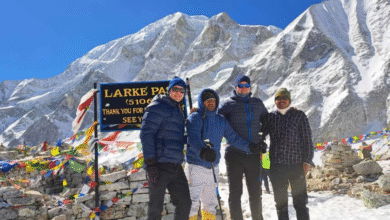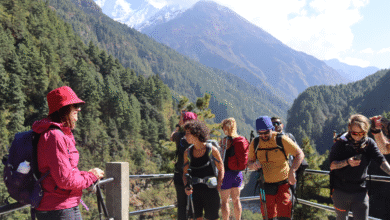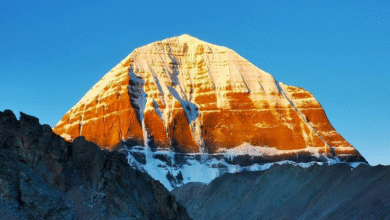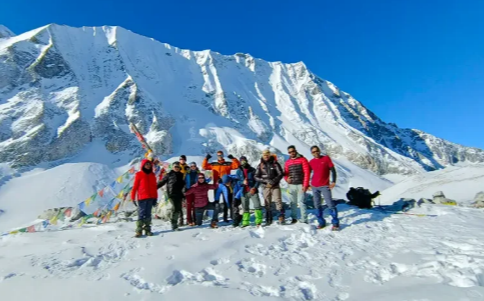
The Himalayas hold a certain mystique, drawing adventurers from every corner of the globe. While many immediately think of the Everest Base Camp or the Annapurna Circuit, a lesser-known gem offers an equally breathtaking, yet more secluded, experience: the Manaslu Circuit Trek. This challenging journey circles the world’s eighth-highest mountain, Mount Manaslu, guiding trekkers through remote villages, lush forests, and high-altitude passes.
If you’re an avid trekker searching for an authentic Himalayan adventure away from the crowds, the Manaslu trek might be exactly what you’re looking for. This guide will walk you through everything you need to know, from the trek’s difficulty and unique cultural aspects to the necessary permits and ideal seasons. By the end, you’ll have a clear picture of whether this remarkable trek aligns with your adventure goals.
What is the Manaslu Circuit Trek?
The Manaslu Circuit Trek is a 13 to 17-day journey that loops around the magnificent 8,163-meter (26,781-foot) Mount Manaslu. Located in the Gorkha district of Nepal, the trail officially opened to foreign trekkers in 1991. The route takes you through the Manaslu Conservation Area, a protected region renowned for its rich biodiversity and vibrant Tibetan-influenced culture.
Unlike the more commercialized trekking routes in Nepal, the Manaslu trek offers a more rustic and raw experience. The path follows the ancient salt-trading route along the Budhi Gandaki River, crossing suspension bridges and passing through traditional villages. The trek culminates in crossing the Larkya La Pass, a challenging high-altitude crossing at 5,106 meters (16,752 feet), before descending to join the main Annapurna Circuit trail.
Is the Manaslu Trek Right for You?
Deciding on a Himalayan trek is a big commitment. Let’s break down the key factors to help you determine if the Manaslu Circuit Trek is a good fit.
Difficulty and Fitness Level
The Manaslu Circuit is considered a challenging trek, best suited for those with a good level of physical fitness and some prior trekking experience. The trail involves long days of walking, often 6 to 8 hours, with significant daily ascents and descents. The terrain is varied, ranging from subtropical forests at lower altitudes to rugged, rocky paths in the alpine zones.
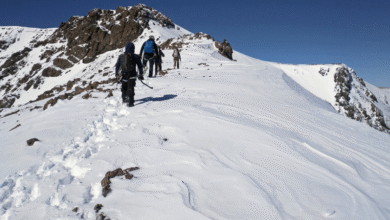
The most demanding part of the trek is the ascent to and crossing of the Larkya La Pass. This section requires a very early start, often before dawn, and involves walking on snow and ice, depending on the season. Proper acclimatization is crucial to minimize the risk of altitude sickness. You don’t need to be a professional mountaineer, but you should be comfortable with multi-day hiking and have solid cardiovascular endurance.
Culture and Scenery
One of the biggest draws of the Manaslu trek is its pristine cultural heritage. The region, known as the Nupri Valley, is home to people of Tibetan descent who have preserved their traditional lifestyle for centuries. You’ll encounter ancient monasteries (gompas), prayer wheels, and mani walls inscribed with Buddhist mantras. The locals are known for their warm hospitality, offering a glimpse into a way of life that has remained largely unchanged.
The scenery is equally spectacular. The trail takes you from lush, green valleys dotted with waterfalls to barren, high-altitude landscapes reminiscent of Tibet. The panoramic views of Manaslu, Himalchuli, and the Ganesh Himal range are simply unforgettable.
Teahouse vs. Camping
For many years, the Manaslu Circuit was a camping-only trek. However, the infrastructure has developed significantly, and now basic teahouses are available along the entire route. These family-run lodges offer simple accommodation and meals. While not as luxurious as those on the Annapurna or Everest trails, they provide a comfortable place to rest and connect with fellow trekkers and locals.
This development makes the trek more accessible, as you don’t need to organize a full camping expedition. You can enjoy the remote feel of the region with the convenience of a warm bed and hot food at the end of the day.
Planning Your Manaslu Trek
Proper planning is essential for a safe and enjoyable journey. Here are the key logistics to consider.
Permits and Regulations
The Manaslu trek is located in a restricted region of Nepal, which means you cannot trek independently. You are required to:
- Hire a registered guide: A licensed Nepali guide is mandatory.
- Trek in a group of at least two: Solo trekkers are not permitted, so you’ll need to have at least one other person with you.
- Obtain three different permits:
- Manaslu Restricted Area Permit (RAP): The cost varies by season.
- Manaslu Conservation Area Permit (MCAP): A standard fee applies.
- Annapurna Conservation Area Permit (ACAP): Required as the trek concludes within the Annapurna region.
These permits can only be arranged through a registered trekking agency in Kathmandu.
Best Time to Go
The best seasons for the Manaslu Circuit Trek are spring and autumn, which offer the most stable weather and clearest views.
- Spring (March to May): The weather is mild, and the rhododendron forests are in full bloom, painting the hillsides in vibrant colors. Skies are generally clear, providing excellent mountain views.
- Autumn (September to November): This is the most popular season. The monsoon has cleared the air, resulting in crystal-clear skies and phenomenal panoramic views. The temperatures are moderate, making for pleasant trekking conditions.
Trekking during the winter (December to February) is possible but extremely challenging due to heavy snowfall and freezing temperatures, especially at Larkya La Pass. The monsoon season (June to August) is not recommended due to heavy rain, leeches, and the risk of landslides.
Read Also: How to Avoid Overpriced Repairs: A Sydney Technician’s Insider Advice
Typical Itinerary
A standard Manaslu Circuit Trek itinerary lasts about 14-15 days. Here is a sample outline:
- Day 1: Drive from Kathmandu to Maccha Khola.
- Day 2: Trek to Jagat.
- Day 3: Trek to Deng.
- Day 4: Trek to Namrung.
- Day 5: Trek to Lho.
- Day 6: Trek to Samagaon.
- Day 7: Acclimatization day in Samagaon (hike to Manaslu Base Camp or Pungyen Gompa).
- Day 8: Trek to Samdo.
- Day 9: Acclimatization day in Samdo (hike to the Tibetan border).
- Day 10: Trek to Dharamsala (Larkya Phedi).
- Day 11: Cross Larkya La Pass (5,106m) and trek to Bhimtang.
- Day 12: Trek to Gowa.
- Day 13: Trek to Dharapani.
- Day 14: Drive back to Kathmandu.
This itinerary includes two acclimatization days, which are crucial for adapting to the high altitude and preventing sickness.
Final Thoughts: Your Next Great Adventure?
The Manaslu Circuit Trek offers a unique blend of challenging adventure, rich culture, and world-class scenery. It provides an opportunity to step back in time and experience the raw beauty of the Himalayas without the commercialization of more popular routes.
If you are a physically fit trekker with a spirit of adventure and a desire for an authentic cultural experience, then the Manaslu trek is an excellent choice. The journey will test your limits, but the rewards—from the breathtaking mountain vistas to the warm smiles of the local people—are immeasurable. It’s more than just a hike; it’s a profound journey into the heart of the Himalayas.