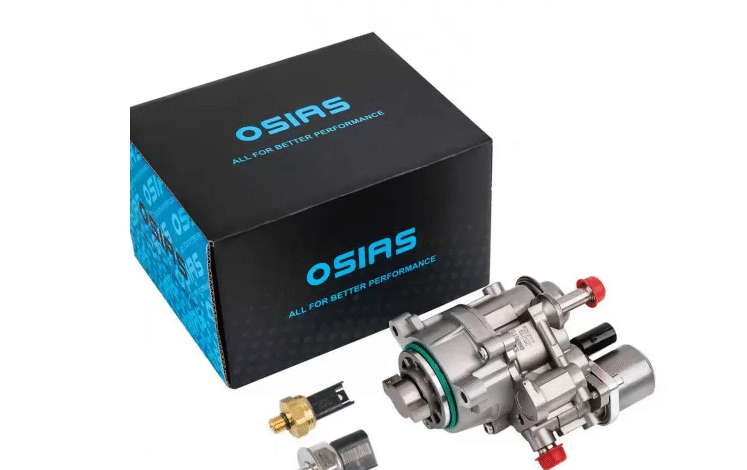
A high-pressure fuel pump acts as the fuel system of these modern vehicles and keeps pressure at a proper level high enough for the injectors. These unhealthy high-pressure fuel pumps will start to create performance and reliability problems in the engine. Damage to the high pressure fuel pump failure symptoms engine can occur from such incidence, and for drivers to continue safe driving, it becomes vital to catch these signs early.
1. Engine Misfires or Hesitation
The most typical symptom of high pressure fuel pump failure is engine misfire. Insufficient fuel to the rail from the pump causes the combustion air-fuel mixture to be lean, resulting in hesitation during acceleration or a spastic throttle response, with the engine sometimes stalling. It is most obvious during heavy loads and high RPMs.
2. Power Loss or Poor Acceleration
Failure of high-pressure pumps to satisfy any or all of the requirements to supply the engine fuel results in power being noticeably lost. When the accelerator is pressed, the car usually drags or takes time to respond. The type is most noticeable when overtaking another vehicle or going up hills; it usually is accompanied by misfires or rough engine behavior.
3. Engine Stalls or Faces Hurdles in Starting
In worst-case scenarios, either the engine will not start due to a failing high-pressure fuel pump, or it will shut off while in motion. The other major problem is the fact that a constant fuel supply is usually erratic, not maintained, or different. It may cause engine stopping or starting problems, mostly related to the fact that the engine had become hot or under load.
See also: Starting a Tech Company With Zero Coding Knowledge in 2025
4. Check Engine light or Warning Codes
Most modern vehicles are equipped with sensors that watch pressure in their systems and delivery of fuel to the engine. It can cause an illumination of the check engine light when there is a malfunction of the high-pressure pump. There may also be several diagnostic trouble codes (DTC) associated with fuel pressure, performance of the injector, or lean/rich conditions. These codes should be monitored promptly to avoid further damage to the engine.
5. Some Unusual Noises Coming From The Fuel Pump Area
A failing high pressure fuel pump is going to make an awful lot of noise in the fuel system-typically whining, buzzing, or humming. Often, the worst case is under heavy loads or with low fuel levels in the tank. These noises tell you that the internal parts inside the pump are already old, worn out, or failing.
6. Bad Gas Mileage
Since the failing high-pressure pump causes the engine to perform inefficiently, the delivery of fuel may not be enough for combustion, which may lead the engine sometimes to compensate by using more fuel than normal. A sudden change in fuel efficiency or a sudden increase in consumption would be immediately noticeable. This can happen without changes to normal behavior while driving.
7. Performance and Safety Risks for Engine
Severe damage to the engine by ignoring high-pressure fuel pump symptoms will include detonation of lean-condition, damage to pistons, valves, and injectors, and instantaneous stalling on road. Safety issues emerge from stalling immediately on the road. Recognizing the pump has failed timely and replacing it is of vital importance in vehicle performance since it also carries the driver’s safety at stake.
Final thoughts.
Recognizing the symptoms of a high-pressure fuel pump failure, misfires, power loss, stalling, unusual noises, poor fuel economy helps you tackle the problem before it becomes a major one for the engine. Replacing a bad pump as soon as possible provides proper fueling delivery, performance, and safe operation. For that quality solution designed for durable performance, OSIAS Fuel Pump is a really great choice.