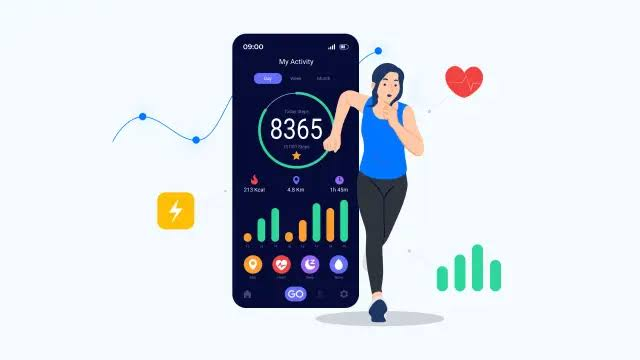
A successful fitness app does more than count steps or display workout videos. Users expect personalized guidance, simple navigation, progress tracking, reminders, and reliable performance. For businesses and startup founders, the real challenge is deciding which features provide value and which ones only increase development time.
Building the right product starts with understanding your audience, choosing a focused purpose, and planning technology around real user behavior. Whether the goal is home workouts, nutrition tracking, running support, or personal coaching, every decision should support a clear fitness journey.
Start With a Clear Purpose and User Group
Many fitness products fail because they try to solve too many problems at once. A running application, strength-training platform, and nutrition coach may serve related audiences, but each requires different features and data.
Start by defining one main user group. Beginners may need guided plans and simple instructions, while experienced athletes may prefer detailed performance data. People exercising at home could value video demonstrations, while gym users might need workout logging and equipment-based plans.
A focused product is also easier to design. Instead of creating dozens of screens, the development team can concentrate on the tools users need most.
Before development begins, define several basics:
- The main problem the application will solve
- The type of user it will serve
- The devices and operating systems it will support
- The core features needed for the first version
- The business model, such as subscriptions or one-time purchases
Clear decisions at this stage reduce unnecessary changes later.
See also: Why Do Power Banks Change Expectations Around Battery Life?
Essential Features of a Useful Fitness App
The feature list should reflect the product’s purpose. A fitness app designed for workout coaching will need different tools from one focused on running or meal tracking.
Most fitness platforms still share a few useful features. User profiles allow people to enter goals, activity levels, and preferences. Progress dashboards help users see workout history, completed sessions, measurements, or other relevant changes.
Workout libraries are common in training products. Each exercise should include clear instructions, appropriate visuals, and useful details such as duration, repetitions, or equipment requirements. Search and filters also help users find suitable sessions without scrolling through large libraries.
Notifications deserve careful planning. Helpful reminders can support routine building, but excessive alerts often become annoying. Give users control over frequency and notification types.
Account settings, privacy controls, password recovery, and support options should also be easy to find. These features may not appear exciting, but they strongly affect the user experience.
Personalization Can Improve Long-Term Engagement
Generic plans rarely suit every user. Someone starting exercise for the first time should not receive the same recommendations as an experienced runner.
Personalization can begin with simple onboarding questions. Ask about fitness goals, preferred activities, available equipment, workout frequency, and experience level. The application can then organize content around those answers.
More advanced systems may adjust future recommendations based on completed workouts or user feedback. However, personalization should remain understandable. Users should know why a plan changed and should be able to adjust preferences manually.
Avoid collecting information without a clear purpose. Every requested data point should support a feature, improve recommendations, or meet a genuine account requirement.
How Technology Choices Affect Development
Technology decisions influence performance, maintenance, and future expansion. Native development can provide close integration with a specific mobile operating system. Cross-platform frameworks can reduce duplicated development work when launching on both major platforms.
Backend infrastructure also matters. User accounts, saved workouts, subscriptions, messaging, and progress data may require secure cloud storage and reliable APIs. If wearable devices are included, developers must also work with supported health and activity data systems.
Founders often ask about the cost to develop a fitness application before the product scope is fully defined. A simple workout library with user accounts may require far less work than a platform with live classes, wearable integration, subscriptions, video streaming, coaching tools, and personalized recommendations.
Development costs are shaped by complexity rather than category alone. A detailed feature document makes budgeting much more accurate.
Design Should Reduce Effort, Not Add It
People often use exercise applications while moving, sweating, or switching between activities. Small buttons, crowded screens, and confusing menus make the experience frustrating.
Keep key actions easy to reach. Starting a workout, pausing a timer, viewing instructions, and completing a session should require minimal steps. Important numbers should remain readable on smaller screens.
Consistency also matters. Buttons, labels, icons, and navigation patterns should behave the same way throughout the product. Users should not have to learn a new interaction style on every screen.
Accessibility deserves attention as well. Readable text, sufficient contrast, clear labels, captions for video content, and flexible controls can make the product usable for a wider audience.
Integrations Can Add Value Without Overloading the Product
Wearables and health platforms can make activity tracking easier. Users may want to sync steps, heart rate, distance, or workout history rather than entering every result manually.
Integrations should support the main product purpose. Adding every available wearable platform during the first release may increase complexity without improving the experience for most users.
Start with the systems your target audience is most likely to use. Additional connections can be added after real usage data shows demand.
Payment platforms also require careful planning if subscriptions are part of the business model. Users should understand pricing, renewal terms, trial conditions, and cancellation options before purchasing.
Privacy and Security Need Early Attention
Health and activity information can be sensitive. Development teams should limit data collection, protect stored information, and explain privacy practices in clear language.
Authentication systems should follow modern security practices. Data should be protected during transmission, and access to internal systems should be limited according to job responsibilities.
If the product provides health-related recommendations, the wording should also match its actual capabilities. Avoid presenting general fitness guidance as medical diagnosis or treatment. Products serving regulated health use cases may face additional legal and compliance requirements.
Privacy should be planned during product design rather than added after development.
Test the Experience With Real Users
Technical testing can identify crashes, broken screens, and slow loading. User testing reveals different problems, such as confusing instructions or unclear navigation.
Give testers realistic tasks. Ask them to create an account, select a goal, start a workout, track progress, adjust notifications, and manage subscription settings. Observe where they hesitate or make mistakes.
Feedback from a small group can reveal issues that designers and developers miss because they already understand the product.
Testing should continue after launch. Reviews, support questions, analytics, and feature usage patterns can show where users struggle or lose interest.
Plan the First Release Around Core Value
A first version does not need every possible feature. It needs enough value for users to complete the main activity successfully.
For example, a strength-training application may launch with onboarding, workout plans, exercise instructions, progress tracking, and basic reminders. Community challenges, advanced analytics, coaching marketplaces, and additional device integrations could come later.
This approach reduces initial complexity and allows the product team to learn from actual behavior. It also makes future development decisions easier because new features can be based on evidence rather than guesses.
Building for Sustainable Growth
A strong fitness app starts with a focused audience and a clear reason to use the product regularly. Useful features, simple design, reliable performance, privacy protections, and thoughtful personalization matter more than a long feature list.
Before setting a final budget, founders should define requirements carefully because the cost to develop a fitness application depends heavily on scope, integrations, platforms, content, and backend complexity. Starting with a practical first release creates room to improve the product based on real user needs.
The best development strategy is to solve one fitness problem well, measure how people use the solution, and expand only when new features support a proven need.