Why Adventure Travelers Recommend Escape Himalaya for the Everest Base Camp Trek with Cho La Pass, Gokyo Lakes & Heli Return from Lukla to Kathmandu

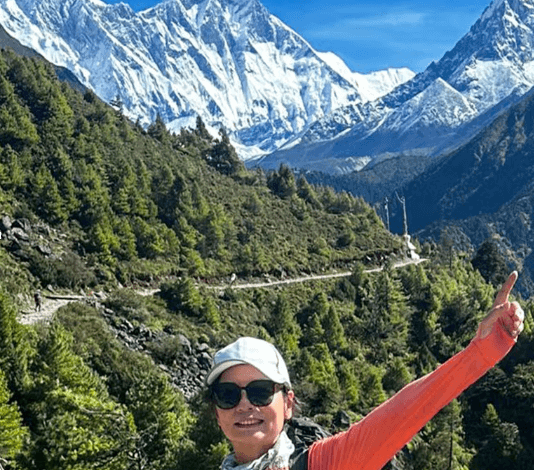
Most people planning an Everest trip run into the same wall: the standard Everest Base Camp trek is incredible, but it’s also… the same trail everyone else is on. You see the Instagram photos, you read the blogs, and somewhere in the back of your mind, you start wondering—is there a way to see more of the Khumbu without just retracing your steps for a week straight? Turns out there is, and it’s exactly why so many seasoned trekkers end up asking about the Everest Base Camp trek with Cho La Pass, Gokyo Lakes, and a helicopter return from Lukla to Kathmandu.
This version of the classic route takes the best parts of the standard EBC itinerary and stitches in two things that genuinely change the trip: the turquoise lakes of the Gokyo Valley and the high, wind-scoured crossing at Cho La Pass. Then, instead of grinding back down the same trail you just walked up, you hop on a helicopter and fly straight out over the mountains to Kathmandu. It’s more demanding, sure, but it’s also the version of this trek that people talk about years later. And it’s a big reason why Escape Himalaya keeps coming up whenever this specific itinerary gets discussed among trekkers who’ve actually done it.
What Makes This Route Different From a Standard EBC Trek
A regular Everest Base Camp trek is an out-and-back — you walk up the Khumbu Valley, touch base camp, maybe climb Kala Patthar for the classic sunrise shot, then walk back down the same way you came. It’s a fantastic trek. But it also means you miss the Gokyo Lakes entirely, and you never get anywhere near Cho La Pass, one of the three high passes in the Khumbu region that serious trekkers love to brag about.
Adding Cho La Pass and Gokyo Lakes turns this into a loop-style adventure rather than a there-and-back walk. You still reach Everest Base Camp and Kala Patthar, but you also get the glacial lakes of Gokyo, the summit views from Gokyo Ri (which, honestly, rivals Kala Patthar for the best Everest panorama in the entire region), and a genuinely tough but rewarding pass crossing that most standard itineraries skip completely. Then, rather than trekking back down to Lukla over multiple days, you fly out by helicopter — which saves time, spares your knees, and gives you an aerial view of the very mountains you just spent two weeks walking through.
Overview of the Everest Base Camp Trek
The classic Everest Base Camp Trek is the reason most people even start thinking about Nepal in the first place. It’s a roughly 12 to 14 day journey (depending on your itinerary) that begins with a short, hair-raising flight into Lukla, followed by days of walking through pine forests, Sherpa villages, and increasingly barren high-altitude terrain until you reach the base of the world’s tallest mountain. You’ll pass through Namche Bazaar, the unofficial capital of the Khumbu, then push on through Tengboche with its famous monastery before the trail gets thinner and the air gets noticeably harder to breathe. Dingboche and Lobuche come next, with acclimatization days built in so your body can adjust, and finally the push to Gorak Shep and Everest Base Camp itself. Most people also tack on a climb up Kala Patthar, which honestly gives better mountain views than base camp itself since you can actually see Everest’s summit from there.
What makes this trek special isn’t just the destination; it’s the process. Watching the landscape shift from lush forest to rocky moonscape, sharing tea house meals with trekkers from a dozen countries, and that first glimpse of Everest peeking out from behind Nuptse—these are the moments people talk about for years. It’s tough, no sugarcoating that, but it’s also one of the most achievable high-altitude treks in the world if you pace yourself.
Overview of Everest Base Camp with Cho La Pass and Gokyo Lakes
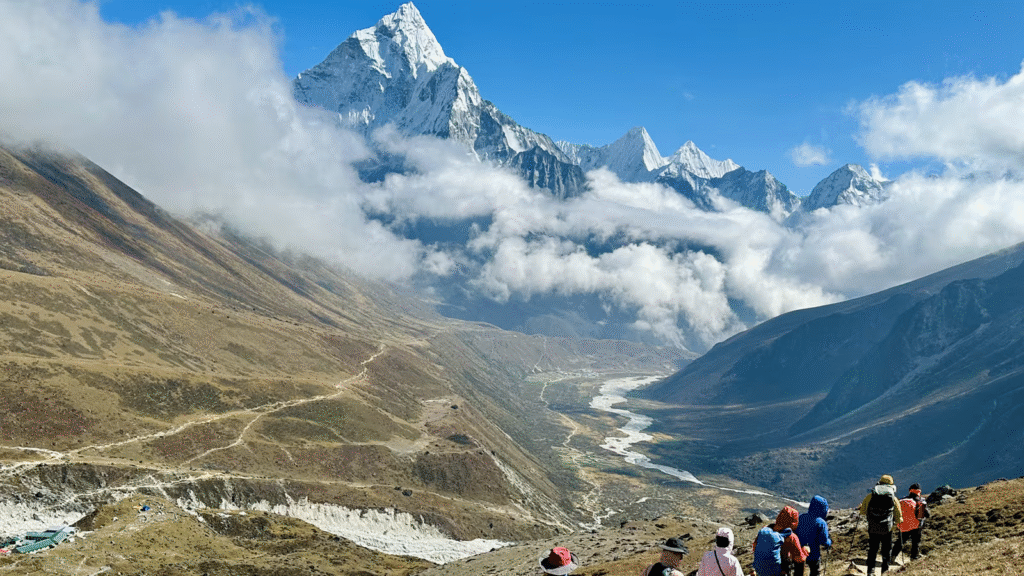
Now here’s where things get interesting for trekkers who want more than the standard route. Everest Base Camp, Cho La Pass Gokyo Lakes are considered some of the most rewarding trekking routes in Nepal because they combine the classic Everest experience with some of the Himalayas’ most spectacular landscapes. Adding Cho La Pass and Gokyo Lakes to your Everest Base Camp trek turns a great trek into an unforgettable one. Instead of heading straight back down after base camp, you cross Cho La Pass, a high-altitude pass sitting at around 5,420 meters, connecting the Khumbu Valley to the Gokyo Valley. It’s not a technical climb, but it does involve some scrambling over rock and glacier, and in winter or after fresh snow, it can get genuinely icy, so a guide with proper gear knowledge matters here.
Once you’re through the pass, you drop into the Gokyo Valley, home to a series of glacial lakes so blue they almost look photoshopped. The Gokyo Lakes sit beneath Cho Oyu and offer a completely different vibe from the Base Camp side—quieter, less crowded, and arguably more scenic. Climbing Gokyo Ri at sunrise gives you a panoramic view that includes four of the world’s six highest peaks: Everest, Lhotse, Makalu, and Cho Oyu, all in one frame. Honestly, a lot of trekkers say this view beats Kala Patthar.
This extended route typically adds 3 to 5 days to your itinerary but rewards you with a much fuller picture of the Khumbu region, both geographically and visually. It’s more physically demanding, especially the Cho La Pass crossing, but for trekkers who’ve done some acclimatization already, it’s well within reach. For travelers looking to experience the region beyond the traditional trail, Everest Base Camp with Cho La Pass and Gokyo Lakes offers a more complete adventure with dramatic mountain passes, pristine alpine lakes, and fewer crowds along the way.
Overview of Everest Base Camp with Heli Return from Lukla to Kathmandu
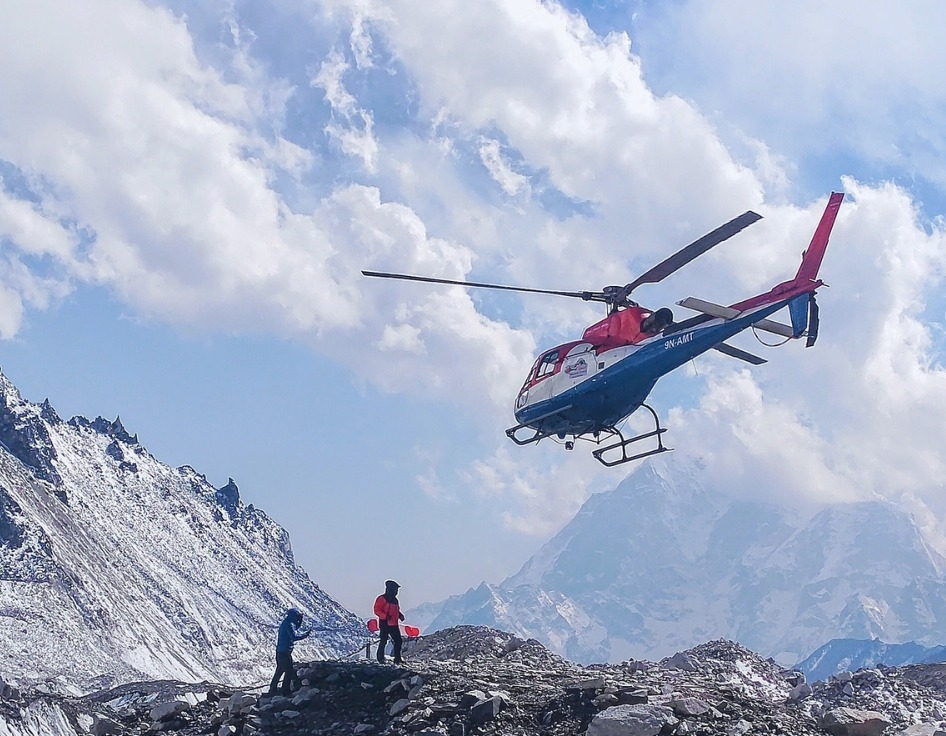
Let’s talk about the part that saves your legs, your schedule, and honestly, your sanity toward the end of a long trek: the helicopter return. After days of walking downhill on tired knees, most trekkers are more than ready to skip the long walk back and the potential flight delays out of Lukla. That’s why the Everest Base Camp Heli Return Lukla KTM option has become one of the most popular upgrades for trekkers who want a faster, more comfortable finish to their Himalayan adventure. Instead of spending several more days on the trail, you fly by helicopter directly from Lukla (or sometimes from Gorak Shep, if you book a full heli package) straight to Kathmandu, cutting what would be a multi-day walk plus a domestic flight into a single scenic hour.
The helicopter ride itself is an experience worth the extra cost on its own. You get an aerial view of the Himalayas that ground-based trekkers never see, with snow-covered peaks, deep valleys, and glaciers stretching endlessly below, giving you a completely different perspective on the terrain you just spent two weeks walking through. It also solves one of the biggest headaches of EBC trekking: Lukla flight delays. Weather in Lukla is notoriously unpredictable, and fixed-wing flights get cancelled or delayed often during peak season. A helicopter has more flexibility with weather windows and can sometimes get you out when regular flights are grounded.
This option is particularly popular among trekkers on tighter schedules, older trekkers wanting to reduce knee strain, or anyone who simply wants to end their trip with a bit of luxury after days of teahouse living. While it does add to the overall cost, many travelers who choose the Everest Base Camp Heli Return Lukla KTM experience say it’s one of the most worthwhile upgrades of the entire trek, combining breathtaking mountain views with significant time savings and a stress-free journey back to Kathmandu.
Best Time to Do the Everest Base Camp Trek with Cho La Pass and Gokyo Lakes
Autumn (late September through November) and spring (March through May) remain the two best windows, same as with the standard EBC trek. Autumn tends to offer the clearest, most stable skies right after monsoon season, which matters even more on this route since crossing Cho La Pass in poor visibility is genuinely risky. Spring brings milder temperatures and a decent chance of blooming rhododendrons lower in the valley, though passes can still be snow-covered into April.
Winter trekking is possible, but the Cho La Pass crossing becomes considerably harder with heavy snow, and some teahouses in Gokyo close during the coldest months. Monsoon season (June to August) is best avoided entirely for this itinerary—not just for the usual muddy trails and leech-heavy forest sections, but because helicopter flights become far less reliable when cloud cover sets in for days at a time.
See also: How Global Time Awareness Is Changing the Way We Work, Travel, and Communicate Online
Altitude, Fitness, and What This Trek Actually Demands
This is a step up from the standard Everest Base Camp trek, and it’s worth being honest about that. You’re gaining and losing altitude repeatedly across Gokyo Ri (around 5,360 m), Cho La Pass (around 5,420 m), and eventually Kala Patthar (around 5,545 m), which means acclimatization needs to be taken seriously—not rushed. A good itinerary builds in rest days at Namche Bazaar and again around Gokyo before the pass crossing, and listening to your body matters more than sticking rigidly to a schedule.
Altitude sickness doesn’t care how fit you are — it’s about pacing, hydration, and how well your body adjusts, not how many marathons you’ve run. Headaches, nausea, and unusual fatigue above 3,500 meters or so are your body’s way of saying slow down. If those symptoms get worse instead of better with rest, descending is always the right move, no matter how close you are to a pass or viewpoint. A trekking company that builds proper acclimatization into the itinerary — rather than squeezing the trip into the shortest possible number of days — makes a real difference here.
Why Trekkers Recommend Escape Himalaya for This Specific Route
Combining Gokyo Lakes, Cho La Pass, Everest Base Camp, and a helicopter return into one coherent itinerary isn’t something every trekking company handles smoothly — it takes local knowledge of weather patterns, flexible planning around the pass crossing, and solid relationships with helicopter operators for the return leg. This is where Escape Himalaya’s experience in the Khumbu region really shows. Their guides know the Gokyo side trails as well as they know the main EBC route, which matters when you’re crossing a high pass that doesn’t forgive bad judgment calls.
Beyond the technical planning, trekkers consistently mention the value of working with a team that’s upfront about costs, weather contingencies, and realistic timelines — especially with a helicopter return in the mix, where flexibility matters more than a fixed schedule. Combine that with fair pricing and guides who’ve genuinely walked these trails dozens of times, and it’s easy to see why this particular itinerary keeps getting associated with Escape Himalaya among people who’ve done their research.
Packing and Practical Tips for This Trek
Layering matters even more on this route than on the standard EBC trek, since you’re spending extra time at higher elevations around Gokyo and the pass itself. A good four-season sleeping bag, proper crampons or microspikes for the Cho La crossing, and trekking poles for the loose scree sections will make a noticeable difference. Cash is still king once you’re past Namche Bazaar—there are no ATMs in Gokyo or Dzongla—and a personal water purification system beats buying bottled water at teahouse prices.
Travel insurance that specifically covers high-altitude trekking and helicopter evacuation is non-negotiable for this itinerary, given the elevations involved. And if a helicopter return is part of your plan, keep a couple of buffer days at the end of your trip in case of weather delays—Himalayan flights are famously dependent on clear skies, and a rigid onward flight booking can turn a minor delay into a real headache.
Final Thoughts
The Everest Base Camp trek with Cho La Pass, Gokyo Lakes, and a helicopter return from Lukla to Kathmandu isn’t the easiest way to see Everest, but for a lot of trekkers, it’s the most complete one. You get the glacial lakes most EBC trekkers never see, a proper high-altitude pass crossing that tests you in the best way, the classic base camp and Kala Patthar experience, and an ending that swaps two tiring trekking days for a scenic flight over the very peaks you just conquered on foot.
It’s a bigger commitment than the standard route, both physically and in terms of planning, which is exactly why so many people lean on an experienced operator like Escape Himalaya to pull it together properly. If you’ve already done a shorter Himalayan trek and you’re ready for something with a bit more edge to it, this is very likely the version of the Everest Base Camp trek you’ll end up telling people about.