Tea House Experience on the Manaslu Circuit vs Everest Region: What Trekkers Should Really Expect

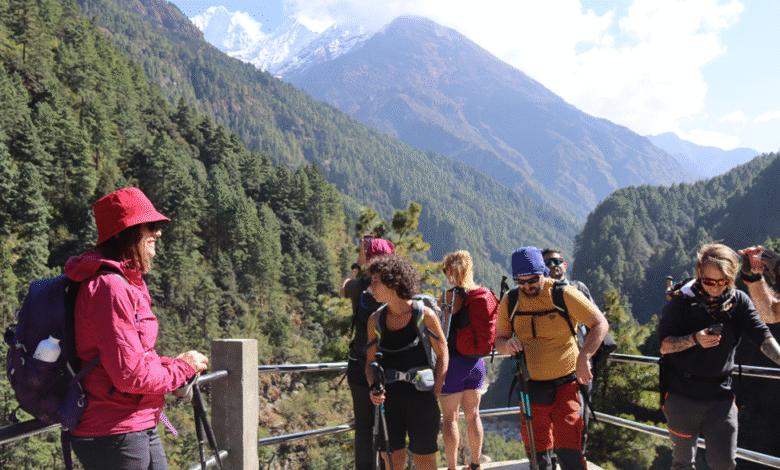
When planning a trek in Nepal, most people compare the Manaslu Circuit Trek and the Everest Base Camp Trek based on the scenery, difficulty, or the chance to stand beneath the world’s highest mountains. But there is another part of the journey that often shapes the overall experience just as much as the trail itself: the tea houses.
After walking for six to eight hours through mountain villages, forests, and high mountain passes, your tea house becomes your home for the night. It is where you enjoy a hot meal, warm yourself by the fire, recharge your body, and connect with local people and fellow trekkers.
Many first-time visitors imagine mountain lodges with hotel-style comfort because trekking packages can cost several thousand dollars. The reality is different. Tea houses in Nepal are simple by design, especially in remote regions where every building material, food supply, and fuel source must be transported over difficult mountain terrain.
Understanding what to expect before you arrive can make the difference between disappointment and one of the most rewarding travel experiences of your life.
What Is a Tea House Trek?
A tea house trek means staying in small family-run lodges located in villages along the trekking route. Instead of carrying camping equipment, trekkers sleep in these lodges, eat freshly prepared meals, and continue to the next village the following day.
Most tea houses provide the following:
- A private twin-sharing bedroom
- Blankets and pillows
- A shared dining hall
- Freshly cooked meals
- Tea, coffee, and hot drinks
- Shared toilets and bathrooms
- Basic charging facilities
The facilities become simpler as you gain altitude because transportation becomes more difficult.
Although both the Manaslu Circuit and the Everest region offer teahouse accommodation, the experience is quite different.
See also: Skilled Mortgage Broker Who Negotiates Competitive Home Loan Deals
Tea Houses on the Manaslu Circuit: Authentic Himalayan Hospitality
The Manaslu Circuit Trek remains one of Nepal’s quieter trekking destinations. Since it is a restricted trekking region, visitor numbers are much lower than on the Everest trail.
This creates a very different atmosphere inside the tea houses.
Most lodges are owned by local Tibetan-influenced families who personally welcome guests, prepare meals, and manage the accommodation. Instead of feeling like commercial guesthouses, many tea houses feel like staying in someone’s mountain home.
Rooms are simple and practical.
Typically, you can expect:
- Wooden twin beds
- Foam mattresses
- Blankets
- Small tables or shelves
- Shared bathrooms
- Solar-powered lighting
Luxury is not the goal here.
The true value comes from the peaceful surroundings and genuine hospitality.
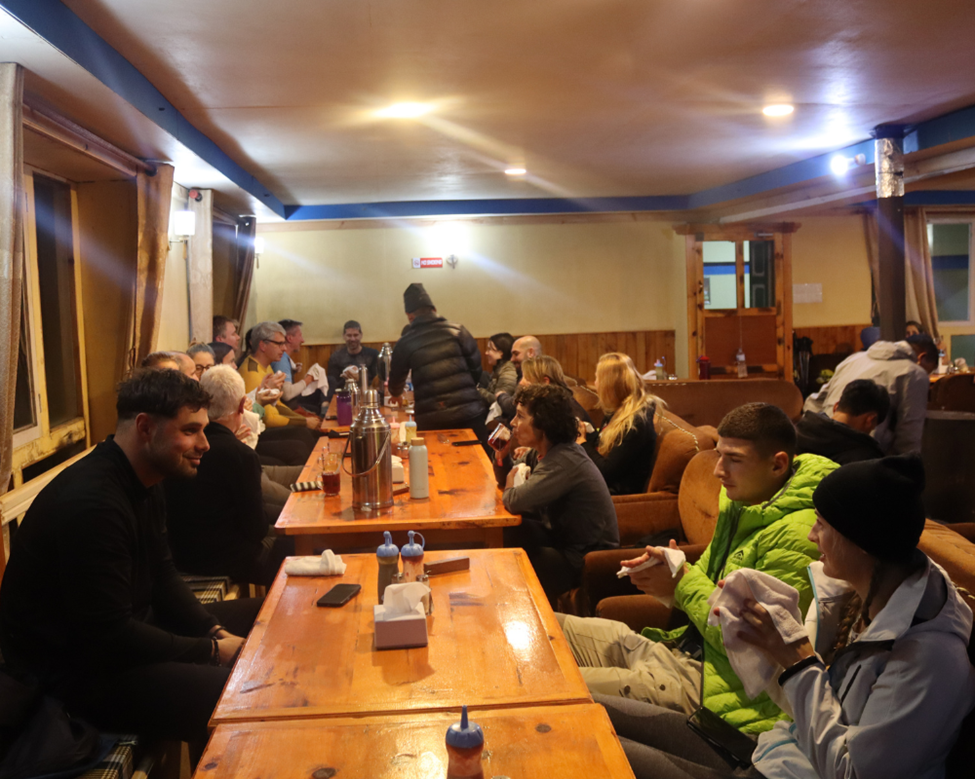
After dinner, trekkers often gather around a traditional wood-burning stove while sharing stories with guides, porters, and local families. Without large crowds, conversations feel more personal, and many visitors leave with a deeper appreciation of mountain life.
Tea Houses in the Everest Region: More Comfortable and More Developed
The Everest region has been welcoming international trekkers for decades, making it Nepal’s most developed trekking destination.
As a result, many tea houses provide additional services such as the following:
- Larger bedrooms
- Attached bathrooms in some villages
- Hot showers
- Wi-Fi
- Battery charging stations
- Bakeries
- Coffee shops
- International food menus
Villages like Namche Bazaar offer accommodations that can feel surprisingly comfortable considering their altitude.
For trekkers who prefer extra convenience, Everest usually provides more choices.
However, popularity also brings larger crowds.
During spring and autumn, tea houses fill quickly, dining halls become busy, and advance bookings are often necessary.
Instead of quiet evenings, you’ll often find lively conversations between trekkers from around the world.
The Biggest Difference Is the Atmosphere
If someone asked experienced trekkers to describe both regions in one sentence, many would say this:
Manaslu feels peaceful. Everest feels lively.
In Manaslu, evenings are usually quiet.
You may sit beside the stove listening to local families talk about farming, yak herding, or village festivals while prayer flags flutter outside in the mountain wind.
The slower pace allows visitors to experience everyday Himalayan life.
The Everest region offers something different.
Tea houses become social hubs where trekkers exchange stories, discuss altitude challenges, compare hiking routes, and celebrate reaching important milestones.
Neither experience is better.
It simply depends on what kind of journey you’re looking for.
Food on the Trail
Food plays an important role during any high-altitude trek.
Manaslu Circuit
Menus focus mainly on traditional mountain meals.
Popular choices include:
- Dal Bhat
- Tibetan bread
- Garlic soup
- Sherpa stew
- Fried rice
- Noodles
- Momos
- Potato dishes
Meals are freshly prepared, but menu options become more limited at higher elevations because supplies arrive by mule or porter.
Everest Region
Because of higher tourism, Everest tea houses usually offer much larger menus.
Along with Nepali dishes, you can often order:
- Pizza
- Pasta
- Pancakes
- Burgers
- ·Sandwiches
- Cakes
- Fresh coffee
- Omelets
Many trekkers appreciate this variety during longer expeditions.
Cultural Experience
The Manaslu Circuit passes through villages that have preserved strong Tibetan Buddhist traditions.
Along the trail, you’ll notice:
- Ancient monasteries
- Prayer wheels
- Mani walls
- Stone-built villages
- Yak caravans
- Traditional family homes
The tea houses are an extension of this culture.
Guests often eat with the family, observe daily village life, and experience customs that have changed very little over generations.
The Everest region also offers rich Sherpa culture, particularly around Namche Bazaar, Tengboche, and Pangboche.
However, because tourism has developed rapidly over many years, modern trekking facilities blend with traditional lifestyles.
The Reality of Tea Houses: Setting the Right Expectations
One of the biggest misunderstandings among first-time trekkers is believing that paying more for a trekking package means staying in luxury accommodation.
In reality, your package cost covers much more than accommodation.
It includes permits, licensed guides, porter wages, transportation, staff insurance, logistics, meals, and operational support.
The tea houses themselves remain simple because they are located in remote Himalayan villages where almost everything, from cement and timber to cooking gas and bottled drinks, must be transported over long mountain trails.
No matter how much you spend, mountain conditions cannot be compared with hotels in Kathmandu or Pokhara.
Challenges of Staying in Tea Houses on the Manaslu Circuit
The authentic experience comes with a few challenges that every trekker should understand.
Basic Accommodation
Rooms are clean but very simple. You should not expect luxury furniture, heating systems, or spacious interiors.
Shared Bathrooms
Most villages offer shared toilets and bathrooms. Attached bathrooms are available only in a limited number of lower-altitude tea houses.
Limited Electricity
Many villages rely on solar power or small hydroelectric systems. Charging phones, cameras, or power banks usually costs extra.
Unreliable Internet
Wi-Fi is unavailable in some villages and slow in others. Mobile networks also become inconsistent as altitude increases.
Limited Menu Choices
As you climb higher, fewer ingredients are available, so menus become smaller than in lower villages.
For many trekkers, these limitations become part of the adventure rather than a drawback.
Challenges of Staying in Tea Houses in the Everest Region
Although Everest has better infrastructure, it also has its own disadvantages.
Crowded During Peak Season
Tea houses can become extremely busy from March to May and September to November.
Higher Prices
Food, drinks, bottled water, charging electronics, Wi-Fi, and hot showers become increasingly expensive at higher elevations because everything must be transported into the mountains.
Additional Service Charges
Most tea houses charge separately for the following:
- Hot showers
- Battery charging
- Wi-Fi
- Drinking water
These costs can add up over a two-week trek.
Less Privacy
Popular villages often feel busy during dinner hours, making the experience more social but also less peaceful.
Which Tea House Experience Is Better?
Choose the Manaslu Circuit if you want:
- Authentic mountain culture
- Quiet villages
- Fewer trekkers
- Personal hospitality
- A peaceful trekking experience
- Traditional Himalayan lifestyle
Choose the Everest Region if you prefer:
- Better-developed accommodation
- More food choices
- Comfortable facilities
- Easier access to services
- A lively international trekking atmosphere
- More accommodation options
Neither option is perfect.
Both provide unforgettable experiences in different ways.
Final Thoughts
Comparing the tea house experience on the Manaslu Circuit and the Everest region is not simply about deciding which has better rooms or better food. It is about understanding two very different styles of trekking in the Himalayas.
The Everest region offers greater comfort, more services, and a vibrant social atmosphere built around decades of trekking tourism. It is an excellent choice for those who appreciate convenience without losing the excitement of a high-altitude adventure.
The Manaslu Circuit, on the other hand, offers something increasingly rare, a quieter and more authentic Himalayan experience. The tea houses are simpler, but they provide genuine hospitality, meaningful cultural encounters, and peaceful evenings surrounded by spectacular mountain scenery.
Whichever trek you choose, remember that tea houses are not luxury hotels. They are family-run mountain lodges built to support trekkers in some of the most remote landscapes on Earth. If you arrive with realistic expectations, an open mind, and a spirit of adventure, you will likely discover that the warmth of the people and the memories shared around the dining room stove become just as unforgettable as the mountains themselves.