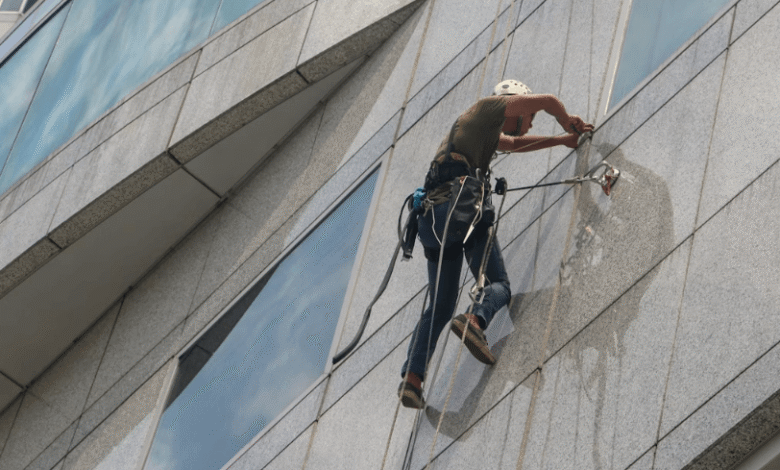
Proper building maintenance is crucial for the safety, functionality, and aesthetic appeal of commercial properties. Regular maintenance not only extends the life of the building but also ensures compliance with safety regulations, reduces repair costs, and creates a comfortable environment for employees, clients, and visitors.
For commercial property owners and facility managers, understanding essential building maintenance tasks is vital for keeping operations smooth and avoiding costly disruptions.
Routine Inspections
Routine inspections form the foundation of effective building maintenance. Regularly checking structural components, roofing, plumbing, and electrical systems helps identify potential issues before they escalate. Inspections should cover walls, ceilings, windows, doors, and flooring to detect cracks, leaks, or wear and tear.
By performing systematic inspections, property managers can schedule timely repairs and prevent small problems from becoming expensive emergencies.
HVAC System Maintenance
Heating, ventilation, and air conditioning systems play a critical role in maintaining indoor comfort. Regular HVAC maintenance includes cleaning air ducts, changing filters, inspecting thermostats, and checking for refrigerant leaks.
Efficient HVAC systems reduce energy consumption and prevent costly breakdowns. Well-maintained HVAC systems also ensure a healthy indoor environment by reducing allergens and improving air quality, which is essential in commercial spaces with high occupancy.
Plumbing Checks and Repairs
Plumbing is another key aspect of building maintenance for commercial properties. Routine checks include inspecting pipes, faucets, water heaters, and drainage systems. Leaks, corrosion, or blockages can cause water damage, mold growth, and high utility bills.
Promptly addressing plumbing issues ensures uninterrupted operations and protects the structural integrity of the building. Regular plumbing maintenance also minimizes the risk of emergency repairs that could disrupt business activities.
Electrical System Inspections
Electrical systems require careful attention to prevent hazards such as fires or power outages. Building maintenance should include checking wiring, circuit breakers, outlets, and lighting systems.
Identifying worn-out or exposed wires, faulty circuits, or overloaded panels helps reduce safety risks. Additionally, maintaining energy-efficient lighting and properly functioning electrical components contributes to lower operating costs and sustainability efforts.
See also: How Data Mistakes Can Ruin Your Insurance Claims: The Digital Red Flags You Should Never Ignore
Roof and Exterior Maintenance
The roof and exterior walls protect the building from environmental damage. Regular maintenance includes cleaning gutters, inspecting for leaks, repairing damaged shingles, and checking for water infiltration. Painting and sealing exterior surfaces prevent deterioration and maintain the building’s appearance. Proper exterior maintenance also enhances curb appeal, which is important for commercial properties that welcome clients or tenants.
Fire Safety and Emergency Systems
Fire alarms, sprinklers, extinguishers, and emergency lighting systems must be regularly tested and maintained. Ensuring these systems function properly is a critical part of building maintenance and compliance with local fire safety regulations.
Regular drills, inspections, and system updates provide safety for occupants and help avoid legal liabilities for property owners.
Conclusion
Effective building maintenance for commercial properties requires a combination of routine inspections, preventive care, and prompt repairs. From HVAC systems and plumbing to electrical safety, roofing, and general upkeep, every task plays a role in ensuring the property remains safe, functional, and attractive.
By investing in regular maintenance, property owners can extend the life of their building, reduce costs, enhance safety, and provide a comfortable environment for everyone who uses the space. Prioritizing building maintenance ultimately contributes to the long-term success and reputation of any commercial property.