People often plug a charger into an outlet and expect it to work immediately. When nothing happens, the moment feels confusing and inconvenient. Chargers can behave differently depending on the outlet, even when both seem perfectly fine. The reasons vary—from wiring conditions to power stability to how the charger manages energy internally. Understanding these factors helps you avoid frustration and choose charging tools that stay dependable in more environments. Modern chargers use smarter technology to adapt to different outlets with greater consistency. One example is the Anker 735 Charger (Nano II 65W), which offers a stable and efficient experience across a variety of charging scenarios.
What Happens Inside the Outlet and the Charger
Voltage Irregularities Influence Charging Stability
Not all wall outlets provide perfectly stable voltage. Small fluctuations happen in many homes, offices, airports, cafés, and hotels. When the outlet dips too low or spikes unexpectedly, a charger may pause or refuse to start charging to protect your device. This protective behavior prevents unstable current from reaching your phone or tablet. Advanced chargers handle these fluctuations more gracefully because they use improved circuit boards and power management systems. The Anker 735 Charger (Nano II 65W), for instance, uses GaN II technology to maintain strong performance even when the surrounding power environment changes. This does not oversell the device—it simply highlights how modern engineering supports consistent charging without relying entirely on the outlet.
Outlet Wear and Build Quality Affect Power Delivery
Some outlets show heavy wear over years of use. Loose internal components, softened grip tension, or outdated wiring reduce their ability to deliver steady power. When you insert a charger into an aging outlet, the connection may shift or weaken. Even tiny movements can interrupt power flow. This makes charging feel unpredictable, especially in public locations where outlets experience constant use. A newer charger may respond better because it adjusts internally and stabilizes output quickly after minor interruptions. A well-built charger also uses protective systems that pause charging safely rather than forcing risky current through a compromised connection. This balanced response keeps your device secure even when the outlet is not ideal.
Different Outlets Support Different Load Requirements
Some outlets operate on shared circuits with other appliances, lights, or machines. When multiple devices draw power at once, the available load changes. If the outlet cannot supply enough stable current, a charger may limit output or halt charging altogether. Newer charging solutions handle load variation with greater adaptability. They read power conditions and adjust output so your device continues charging safely, even when the circuit is under pressure. This is useful in hotels, airports, or older buildings where load distribution varies throughout the day. A charger designed for efficiency works within these constraints, creating a charging experience that feels smoother and more dependable.
See also: Starting a Tech Company With Zero Coding Knowledge in 2025
How Chargers Adapt to Different Power Environments
Smart Power Management Reacts to Every Condition
Advanced chargers use control chips that actively analyze power flow. These chips determine how much energy to deliver and detect when the outlet cannot keep up. When a problem occurs, the charger adjusts output or pauses briefly before restarting. This prevents your device from experiencing sudden current shifts. A compact and efficient charger such as the Anker 735 Charger (Nano II 65W) embodies this idea because it distributes power according to what each device needs. Whether you plug in a laptop, tablet, or phone, it manages the flow to maintain stability. This logic-based system is why people prefer newer chargers—they understand the device’s requirements rather than relying on the outlet’s raw output.
Multi-Port Designs Share Power Intelligently
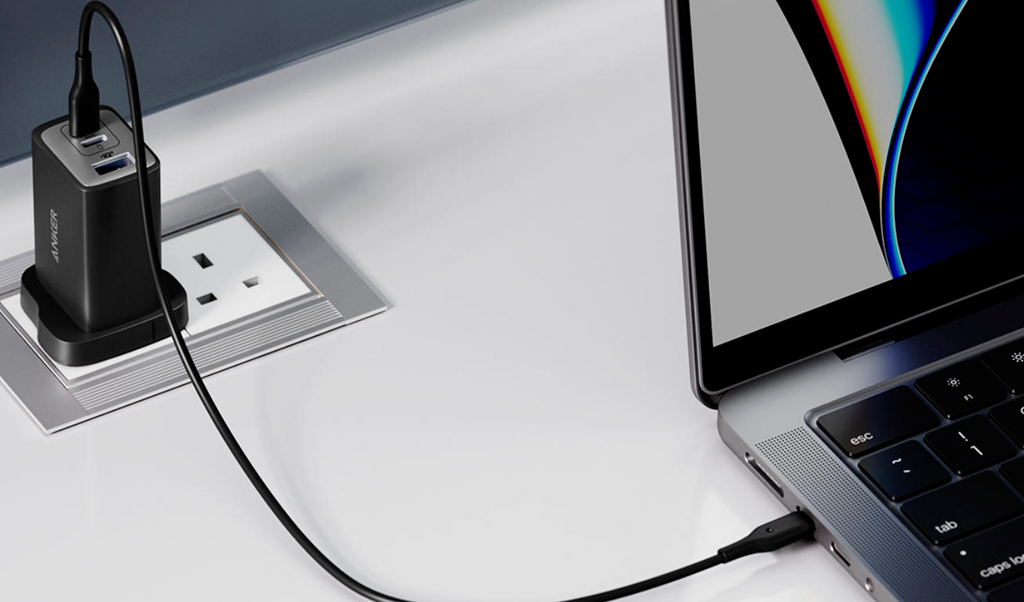
If a charger offers multiple ports, it must decide how to share available power. When the outlet provides less power than expected, older chargers may fail completely. Newer chargers adapt by balancing the flow so that all connected devices receive a usable charge. You might plug in a notebook, a phone, and a pair of earbuds. Instead of overloading the outlet, the charger calculates safe distribution. The Anker 735 Charger (Nano II 65W) does this by delivering efficient output across three ports. This makes charging more predictable in environments where not every outlet performs the same way.
Modern Engineering Reduces Dependency on the Outlet
Newer chargers use higher-quality components that handle heat, power fluctuations, and repeated use more effectively. GaN II materials, improved operating frequencies, and optimized circuit layers allow chargers to perform consistently across a wide range of outlets. This engineering reduces dependency on perfect wall power. It also enables more stable charging for newer devices, whether you use a laptop, tablet, or a modern smartphone such as an iphone 15 charger option. Choosing a charger built on advanced technology helps maintain charging performance even when the power environment is far from ideal. Instead of struggling with unreliable outlets, you gain a device that compensates intelligently.
Conclusion
When a charger fails in certain outlets, the cause usually lies in voltage irregularities, worn wiring, or shared circuit loads. Chargers respond differently depending on their internal design, safety systems, and ability to manage unstable current. Modern chargers offer solutions through smarter power management, improved compatibility, and better heat control. A compact and capable device like the Anker 735 Charger (Nano II 65W) fits into this approach by balancing efficiency, reliability, and multi-device charging. Understanding how outlets and chargers interact helps you choose tools that perform consistently across different environments. With the right charger, you reduce interruptions, protect your devices, and enjoy smoother charging wherever you go.