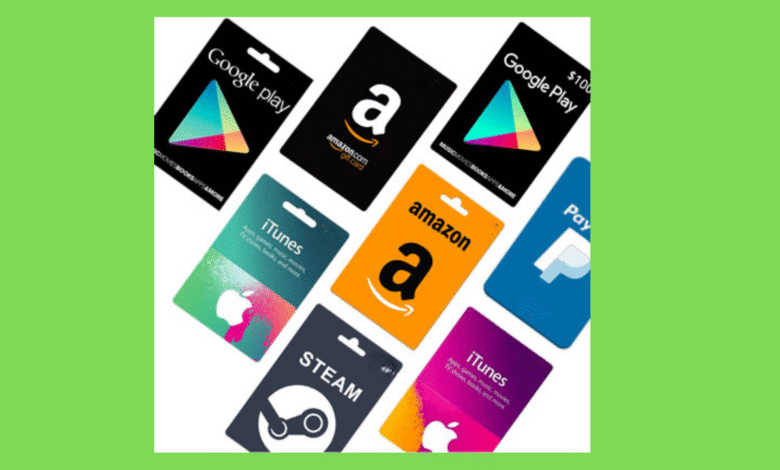
Gift cards have become one of the most convenient financial tools in the digital age—used for shopping, gifting, and even trading for cash. As the popularity of trading gift cards increases globally, a key concept that traders often come across is the gift card rate. Understanding this rate is essential, whether you are selling your unused cards or exchanging them for cash or cryptocurrency. But what exactly does it mean, and how does it work?
Understanding the Gift Card Rate
A gift card rate is the price or value at which a particular gift card is bought or sold in the resale or exchange market. When you trade a gift card, you rarely receive the card’s full face value. Instead, exchanges or vendors determine how much they are willing to pay for it based on several market factors. This final amount—usually expressed as a percentage of the card’s value—is what is referred to as the gift card rate.
For example, if an Amazon gift card worth $100 has a gift card rate of 85%, it means a buyer or exchange platform will pay $85 for that card. Different cards have different rates, and these rates can change over time.
Why Do Gift Card Rates Exist?
Gift card trading functions just like any other secondary market. Rates exist because:
- Supply and demand fluctuate.
Popular brands have higher demand and therefore command higher rates. Less-popular or region-locked cards tend to have lower rates. - Resale risks vary.
Some gift cards are easier to redeem or resell than others. Those that require additional verification or are prone to fraud may attract lower offers. - Market competition.
Platforms and traders adjust their rates to remain competitive, profitable, and safe. - Currency and region differences.
A card issued in one country may have a lower rate when traded in another due to currency conversion, restrictions, or usability differences.
See also: How One Local Technician Turned 20 Years of Expertise Into the
How Gift Card Rates Are Determined
Several factors influence the gift card rate you receive when trading. These include:
1. Brand Popularity
Brands like Amazon, iTunes, and Google Play traditionally have strong and consistent demand. Because buyers trust them and they are widely usable, their rates are usually higher.
On the other hand, niche brands, restaurant cards, or region-specific retailers may have lower rates due to limited resale value.
2. Card Type
Physical cards may have different rates from electronic codes. E-codes are faster to verify and trade, so they often come with slightly better rates.
3. Market Conditions
The gift card trading market also reacts to trends. During festive seasons, demand skyrockets, and rates tend to increase. In periods of low demand, rates can fall.
4. Card Country
Cards issued in the United States, the UK, or Canada usually trade at higher rates because they are internationally accepted. Cards from regions with more restrictions may trade at lower values.
5. Platform Policies
Every platform or trader has its own pricing formula based on risks, customer demand, and operational costs. That’s why you may notice that the gift card rate differs from one exchange to another.
How Gift Card Rates Work When You Trade
The process of utilizing a gift card rate is quite simple. Here’s how it works on most exchanges:
- You Choose the Gift Card Type.
Select the brand you want to trade—Amazon, Steam, Apple, Visa, etc. - You Check the Gift Card Rate.
The platform displays the current buy rate. This tells you how much cash you will earn for your card. - You Enter the Card Value.
For example: $100, $50, or whatever amount is on your card. - Your Payout Is Calculated Automatically.
For a 90% rate on a $100 card, the payout will be $90. - You Submit the Card.
This may involve uploading a picture, entering the code, or providing receipt proof depending on the platform. - The Card Is Verified and Paid For.
Once approved, the platform sends your money through your preferred withdrawal method.
Why Gift Card Rates Change
Rates are not fixed—they fluctuate based on:
- market trends
- user demand
- availability of specific cards
- currency fluctuations
- festive seasons and promotions
- competition among traders
Because of these factors, it’s smart to always check the latest gift card rate before trading.
Final Thoughts
Whether you are an occasional user with an unused card or a frequent trader, knowing what a gift card rate is and how it works will help you maximize your returns. Rates vary from brand to brand, change based on market conditions, and depend on the platform you choose. By staying informed and comparing options, you can get the best value for your gift cards every time.