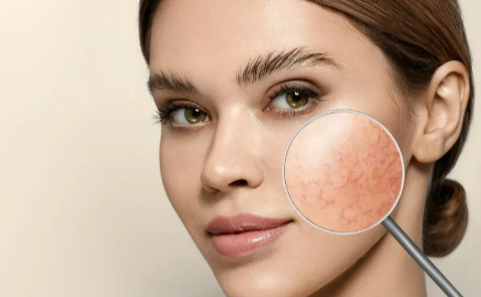
Individuals with sensitive skin often encounter the challenge of managing redness and irritation. This skin type can be caused by various factors, including environmental stressors, genetics, and even certain skincare products. Finding effective treatments that calm and soothe without further aggravating the skin is essential.
Understanding Sensitive Skin
Sensitive skin is typically characterised by hyperreactivity to external irritants. This can include redness, itching, burning, and stinging. This skin type is more prone to inflammatory responses, which can result from both internal factors, like stress and hormones, and external factors, such as harsh weather conditions and pollutants.
Hydration is Key
Keeping the skin well-hydrated is crucial for all skin types, particularly for those with sensitive skin. A healthy barrier can prevent irritants from penetrating the skin’s surface and causing inflammation. Moisturisers with hyaluronic acid and ceramides can help maintain this barrier and protect against potential irritants.
Gentle Cleansing
Choosing the right cleanser is vital for redness-prone skin. Harsh detergents can strip the skin of its natural oils, leading to increased sensitivity and redness. Gentle, non-foaming cleansers with soothing ingredients such as aloe vera or green tea can cleanse without causing unnecessary irritation.
Anti-Inflammatory Ingredients
Products containing anti-inflammatory ingredients such as niacinamide, azelaic acid, and centella asiatica can help reduce redness and calm inflammation. These ingredients not only soothe irritated skin but also strengthen the skin’s barrier function over time.
Minimise Physical Exfoliation
Harsh scrubs and mechanical exfoliants can be particularly abrasive for redness-prone skin. Instead, a gentle chemical exfoliant with lactic acid or polyhydroxy acids (PHAs) can remove dead skin cells without causing undue stress to the skin.
Limit Irritating Factors
Understanding and limiting exposure to potential irritants like alcohol, artificial fragrances, and certain preservatives is crucial for those with sensitive skin. Patch testing new products can prevent adverse reactions on the entire face.
Protect from the Sun
UV radiation can exacerbate skin redness and irritation. Using a physical or mineral sunscreen with SPF 30 or higher can help protect sensitive skin without causing further irritation.
The Power of Antioxidants
Antioxidants such as vitamin C, vitamin E, and resveratrol provide an additional layer of protection by neutralising free radicals, which can contribute to redness and inflammation. These powerful ingredients can also help repair the skin and improve its overall resilience.
Seek Professional Help
If over-the-counter products aren’t providing relief, it may be time to seek professional advice. Dermatologists can offer a wide range of treatments, from prescription medications to calming facials designed for sensitive skin.
Consider Advanced Skincare Treatments
Advancements in skincare technology have introduced innovative solutions for sensitive and redness-prone skin. One such option is the sensitive skin rejuran treatment. Rejuran is designed to heal and rejuvenate the skin at a cellular level using polynucleotides (PN).
PN, derived from salmon DNA, has regenerative properties that can significantly improve skin elasticity, texture, and hydration. The treatment can reduce inflammation and promote a more balanced, less reactive skin condition. Highly valued for its gentle yet effective approach, Rejuran can be a game-changer for those struggling with sensitive skin.
Lifestyle Considerations
Besides skincare products and treatments, lifestyle factors also play a role in managing sensitive skin. A diet rich in anti-inflammatory foods, adequate hydration, and stress reduction techniques can all contribute to skin health. Ensuring enough sleep is also crucial as the skin repairs itself during this restorative period.
Bottom Line
Managing redness-prone or sensitive skin requires a careful, well-thought-out approach. By choosing gentle, hydrating skincare products, minimising exposure to irritants, and incorporating advanced treatments like Rejuran, individuals can soothe their sensitive skin and reduce redness effectively. For personalised advice and treatment options, consulting with a dermatologist or skincare professional is highly recommended.
Maintaining a consistent skincare routine and making necessary lifestyle adjustments can go a long way in ensuring sensitive skin remains calm and healthy. Continuous research and new treatment developments promise expanding options for those with sensitive skin conditions, offering hope and solutions in the quest for balanced, resilient skin.