Tax Revenue vs Social Cost in Canada’s Casino Gambling Model: Impacts, Trends, and Policy

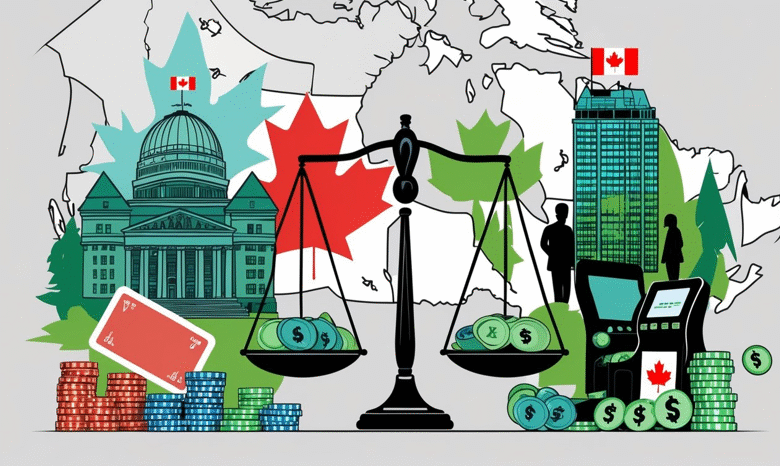
Canada’s casino gambling industry generated approximately $12.5 billion in economic contributions in 2022, but this figure only tells part of the story. While provincial governments collect substantial tax revenue through gross gaming revenue taxes, licensing fees, and corporate income taxes, these financial gains come with measurable social costs that often require public funding to address.
The true economic impact of casino gambling in Canada depends on whether tax revenues sufficiently offset the costs of problem gambling treatment, displaced consumer spending, and potential criminal activity. Each province manages its own gambling regulations and taxation structure, creating a patchwork of approaches to balancing economic benefits against social harm. Some jurisdictions reinvest gambling revenue into community programs and infrastructure, while others face criticism for prioritizing revenue generation over harm reduction.
Understanding this balance requires examining both sides of the ledger. The casino industry creates jobs, attracts tourists, and funds public services through taxation. However, problem gambling drains public resources, affects local businesses through revenue displacement, and can enable corruption without proper oversight.
Role of Land-Based and Online Casinos in Revenue Generation
Land-based casinos and online casinos contribute approximately C$12.5 billion annually to Canada’s economy through various revenue streams. Physical casino resorts create immediate economic value through employment, with facilities like River Rock Casino generating over 1,300 jobs directly. These venues also stimulate surrounding businesses through increased consumer traffic and tourism.
Online gambling operations function differently within provincial regulatory frameworks. In Ontario, the iGaming Ontario (iGO) serves as the legal revenue earner, collecting 20% of gross gaming revenue from all licensed online gambling sites. This centralized model ensures consistent tax collection while maintaining regulatory oversight.
First Nations casinos represent a unique revenue segment, with 18 tribally-owned operations contributing to indigenous communities. The Saskatchewan Indian Gaming Authority (SIGA) exemplifies this model, distributing over C$13 million yearly to charitable organizations and non-profit groups focused on children, disabled residents, and elderly community members.
Provincial Tax Structures and Revenue Allocation
Each Canadian province maintains independent regulatory authority over gambling operations and taxation policies. This decentralized approach creates varying tax structures across jurisdictions, though common elements exist.
Primary Casino Tax Categories:
| Tax Type | Application |
| Gross Gaming Revenue (GGR) Tax | 20% rate applied to total gaming revenue in Ontario |
| Licensing Fees | Mandatory payments to provincial regulators |
| Corporate Income Tax | Applied when gambling constitutes professional business activity |
| GST/HST | Collected through provincial gaming authorities |
| Property Taxes | Required for land-based casino facilities |
Provincial governments allocate gambling tax revenue to multiple areas including infrastructure development, healthcare services, and community programs. The taxation logic follows Pigovian principles, where revenue reflects gambling’s social cost. A portion must fund gambling research, addiction education programs, and treatment services to address the harm created by the industry.
Understanding the Social Costs of Gambling
Social costs of gambling extend beyond individual financial losses to encompass broader community impacts. These costs include public expenditures for problem gambling treatment programs, increased demand on mental health services, and economic productivity losses from gambling-related issues.
Research methodologies for calculating social costs vary significantly across studies, creating challenges in establishing definitive figures. Cost categories typically include direct treatment expenses, family counselling services, legal system costs related to gambling-induced crimes, and workplace productivity reductions.
Revenue displacement represents an indirect economic cost, as money spent at casinos might otherwise support local supermarkets, retail shops, and community businesses. This diversion can weaken non-gambling economic sectors, particularly in areas with high casino concentration.
The gambling industry’s historical association with organized crime necessitates ongoing regulatory vigilance. Canada implements Anti-Money Laundering and Counter Terrorist Financing legislation to prevent criminal exploitation of casino profits, though enforcement requires continuous public funding.
Problem Gambling: Prevalence and Public Health Response
Problem gambling affects a measurable percentage of Canadian gamblers, requiring dedicated public health resources for prevention and treatment. Provincial governments maintain helplines like the Ontario Problem Gambling Helpline and Connex Ontario to provide immediate support for affected individuals and families.
Treatment funding comes partially from gambling tax revenue, creating a direct link between industry profits and social cost remediation. This approach ensures the gambling industry contributes financially to addressing the harm it generates, though debates continue about whether current funding levels adequately match the scope of problem gambling.
Public health responses include educational campaigns about gambling risks, self-exclusion programs at casino facilities, and mandatory responsible gambling messaging in advertisements. Online gambling platforms must implement additional safeguards such as deposit limits, session time reminders, and easy access to support resources.
Market saturation poses emerging risks as online gambling expands. The proliferation of gambling options increases accessibility, potentially elevating problem gambling rates while threatening land-based casino viability through competition. This dynamic requires ongoing policy adjustment to maintain the balance between revenue generation and social protection.