The Financial Squeeze of 2026
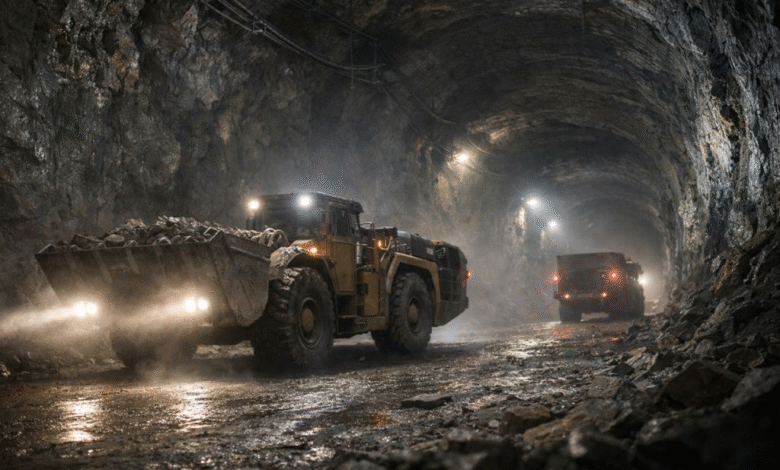
The days of easy ore are pretty much over. Mines are digging deeper, often going past 1,000 meters. Because of this, the cost to get each ton out keeps going up. Now in 2026, operators have to handle a few different headaches at the same time. Market prices jump around, and energy isn’t cheap. On top of that, everyone expects cleaner and more efficient work.
Because of this, the old way of buying things is getting a second look. For a long time, the plan was simple. Buy the most expensive, big-name gear. The hope was that it would cost less in the long run. But people aren’t so sure about that anymore.
All over the industry, a big debate is happening. It’s about CapEx (capital expenditure) versus OpEx (operational expenditure). This talk is changing how underground fleets are put together.
The “Premium Trap”: High CapEx, High OpEx?
Top-tier underground gear often comes with fancy stuff. You get automation, telemetry, and digital controls. These things are definitely useful in some places. But they also cost a lot of money right at the start.
In 2026, people are looking closely at more than just the CapEx. They are worried about what happens after they buy the machine.
Lots of operators say running these high-tech machines costs more than they thought it would. Why? Well, you often need special spare parts that only one company sells. You might need special tools just to find out what’s wrong. Plus, there are bills for software that never seem to end. A component failure that looks small can stop the whole show. This happens if you need outside help or licensed tools just to fix a simple error code.
This is tough for mines that don’t have much extra cash, like junior miners or contract teams. High CapEx mixed with rising OpEx can really hurt their wallet. It makes it hard to adapt when things change.
The Rise of the “Pragmatic” Fleet
The market is acting differently lately. It shows a change in how people think about fleets. Instead of wanting every single new feature, many operators want something else. They want gear that does the job reliably without weird surprises.
People call this move the “pragmatic” mining fleet. The goal isn’t just to buy the cheapest machine you can find. It’s about investing in gear where the main mechanical systems are proven. They need to be easy to get to and fixable in real underground conditions.
One reason for this change is a mismatch. The machines can do a lot, but the mine sites can’t always support them. In many underground spots, especially those far from big cities, it’s hard to find OEM technicians. Special tools are scarce too. When machines are built for perfect shops instead of messy mines, small problems turn into long delays.
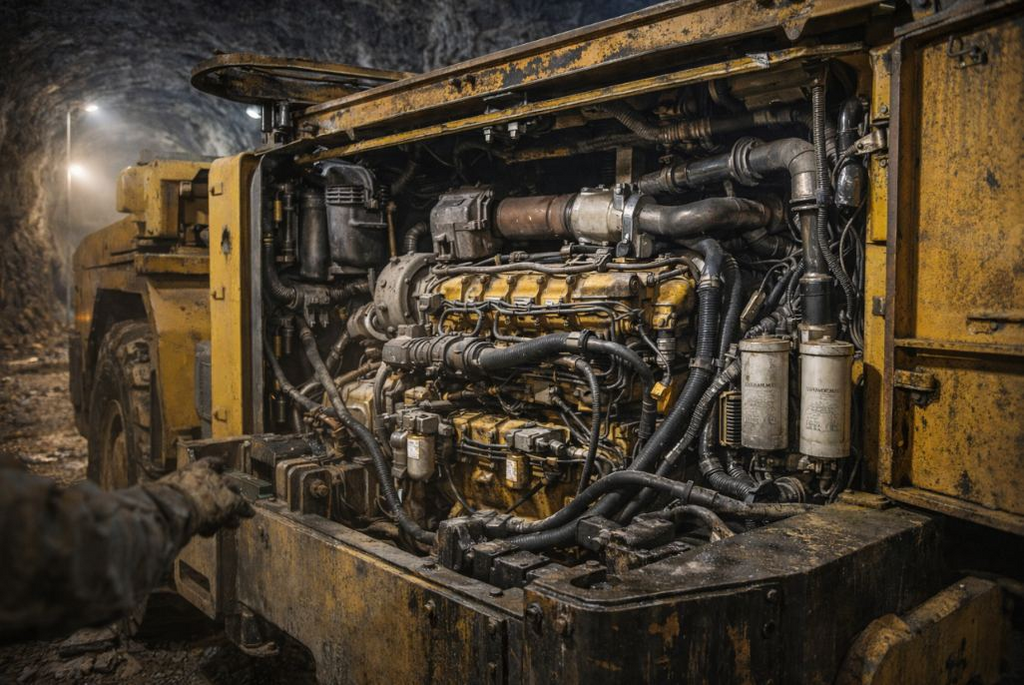
Because of this, buying teams are changing their minds. They now care more about easy repairs and predictable service. They look at this just as much as performance numbers when buying new fleets. Procurement teams are looking under the hood. They focus on engines, drivetrains, axles, and the main structure. These parts usually decide if a machine keeps running, much more than fancy digital extras do.
Integrated Components, Not Brand Labels
A big part of this change is that people are okay with integrated equipment platforms now. These machines mix famous Tier-1 components with simpler designs for the body and controls.
Here is what you usually see:
Tier-1 engines, like the ones from Volvo or Deutz. You see these in expensive fleets all the time.
Solid drivetrains, including Dana transmissions and Kessler axles.
Simple frames and control layouts. These are often made in places where manufacturing costs less.
From a work point of view, these machines aren’t a science experiment. They use the same core components found in high-end gear. The difference? They skip the closed supply chains and the extra complicated layers.
The Math Behind the Shift
The money part is simple to understand. In many cases, a pragmatic 14-ton underground loader costs way less. The upfront price can be 30–40% lower than a fancy premium model.
That price gap changes decisions fast. Lower CapEx means a mine might be able to buy extra units. This creates a backup plan. If one machine needs fixing, the work doesn’t have to stop completely.
OpEx acts differently, too. Open supply chains make spare parts cheaper. Simpler controls let local mechanics find and fix problems. They don’t have to wait around for special experts. Over time, this means you get your money back faster. This is true even if the load and output stay about the same.
The rock moved per shift does not change. The financial timeline does.
See also: The Best SSL Certificates for Your Business Website
A Mixed-Fleet Future
The future of underground mining won’t look the same everywhere. Fully automated mines will still buy advanced, software-heavy fleets. They have the tech teams to handle them.
But at the same time, a big chunk of the global underground world is moving to mixed fleets. They want to balance reliability, easy maintenance, and smart spending. For these guys, the best machine isn’t always the one with the famous logo. It’s the one that fits the reality of the job site.
In 2026, buying choices are less about stickers and more about how the machine acts over its life. Mines that focus on core components, open service options, and predictable operating costs find it easier. They can manage both CapEx and OpEx without missing their production goals.
Industry Response
Some equipment makers see this change. They are focusing on mechanical simplicity now. They push for open parts systems and layouts that are easy to service, rather than just adding more features.
Manufacturers such as ZONGDA often come up in these talks. This is especially true when discussing how to fix things in deep, remote underground spots. The bigger trend shows that the meaning of “value” is changing. It now prefers uptime and control over what a machine might do on paper.
FAQ
Q1: What defines a “pragmatic” underground mining fleet?
A pragmatic fleet puts proven mechanical parts first. It likes open supply chains for spare parts. It cares more about being easy to fix than having fancy digital tricks. The main goal is staying running, not having the highest specs.
Q2: Does lower upfront cost automatically mean lower quality?
No. Many machines with lower CapEx use the exact same Tier-1 engines and drivetrains as the expensive ones. The difference is usually in how complex the system is, where parts come from, and the controls. It’s not about the quality of the core parts.