Key Takeaways
- Design-build integrates design and construction, streamlining project delivery through unified communication and shared objectives.
- It reduces both project timelines and costs by fostering enhanced collaboration and real-time problem-solving among all stakeholders.
- Quality control is notably improved with unified teams and an ongoing commitment to shared accountability.
- Design-build is gaining popularity and is being adopted across various industry sectors and geographical regions due to its proven advantages.
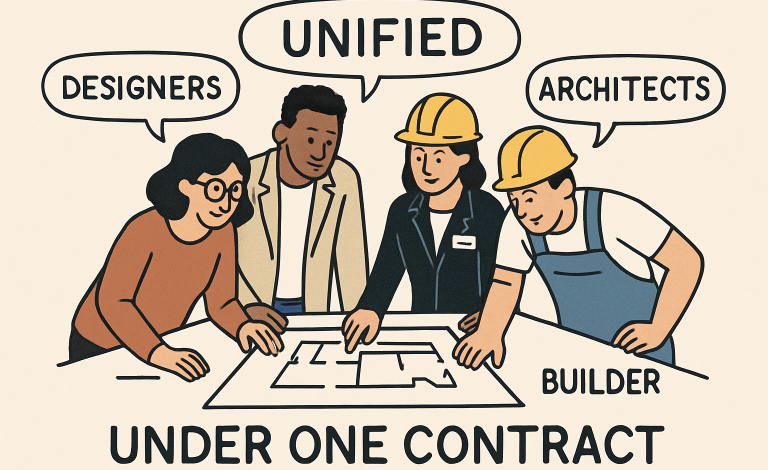
Design-build is revolutionizing the construction industry by seamlessly integrating design and construction services under a single comprehensive contract. This approach represents a significant shift from the traditional method, where separate entities are responsible for each phase—often resulting in fragmented communication and delayed schedules. By bringing together architects, engineers, and builders from the project’s inception, the design-build model encourages a unified team dynamic and eliminates the adversarial roles that can otherwise hamper collaboration. When all stakeholders share a common goal from the very start, decision-making becomes far more efficient and risks are better managed. For organizations exploring this innovative approach, comprehensive Design Build Services can help unlock new efficiencies, ensuring that projects not only stay on schedule and within budget but also benefit from the synergy of a truly collaborative team.
Traditional construction models often complicate projects by separating design and build phases, leading to disputes and delays. Owners must mediate between designers and constructors, each advocating for their priorities. The design-build method, however, integrates responsibilities within one team, enhancing accountability and allowing for flexible project adjustments. This approach reduces confusion and costly delays, resulting in faster project completion, improved quality, and better cost control, making it increasingly popular among owners in both public and private sectors.
Understanding Design-Build
Design-build is a project delivery method in which a single entity—the design-build team—handles both the design and construction stages under one contractual agreement. This integrated approach effectively eliminates the traditional divide between architects, engineers, and contractors, ensuring that everyone is working toward a unified set of objectives from the outset. With all parties at the table, the process is characterized by clear communication, hands-on collaboration, and the ability to resolve issues swiftly as they emerge. In practice, this means that feedback loops are shorter and critical information is shared in real time, resulting in fewer misunderstandings and a more agile project environment overall.
By contrast, traditional models—known as design-bid-build—require the project owner to juggle two separate contracts: one with a design professional and one with a construction firm. This division of responsibilities often leads to silos within the project, where communication is filtered or distorted between separate entities. Not only can this cause delays, but the tendency toward blame-shifting can escalate minor issues into significant disagreements. The design-build model addresses this by dismantling those silos, centralizing responsibility, and creating a straightforward process where miscommunication and finger-pointing are greatly diminished. Owners ultimately benefit from having a single point of contact and a project team that is united in achieving success from concept to completion.
Benefits of Design-Build
Accelerated Project Timelines
One of the defining hallmarks of design-build projects is their speed and efficiency. Industry studies have demonstrated that design-build projects can be up to 12% faster than traditional design-bid-build projects, according to Engineering News-Record. The key to this advantage lies in the overlapping of design and construction phases—while the design is being finalized, site work and early construction activities can often commence. Involving all parties at the outset ensures a nimble and responsive project environment, where decisions are made rapidly and implemented promptly. For sectors such as retail, healthcare, and transportation, these time savings are especially vital, as earlier project completion translates directly into operational benefits, increased revenue, and enhanced community services.
Cost Savings
With design and construction teams collaborating closely from the outset, opportunities for error and rework are minimized, saving both time and money throughout the project’s life cycle. For example, a national retail chain that adopted the design-build approach for a series of electrical upgrades saw a 20% reduction in project costs, a testament to how integrated delivery reduces inefficiencies. Cost control is further enhanced by the open exchange of information, continuous value engineering, and collective problem-solving that the model encourages. Owners are also less susceptible to costly change orders and budget overruns, as risks are managed collectively and the focus remains on the most effective pathways to deliver the desired outcome on time and within budget constraints.
Enhanced Quality Control
Quality assurance is a central focus of design-build projects. Regular monitoring, frequent quality checks, and continuous feedback mechanisms are embedded into the process, ensuring that the final result not only meets but often exceeds client expectations. When architects and builders work closely from the outset, issues such as constructability concerns and material compatibility are addressed proactively, eliminating major complications before construction is well underway. This integrated approach leads to better-informed decisions, improved workmanship, and ultimately, superior outcomes. As noted in Construction Dive, the collaborative structure of design-build projects fosters an environment where innovation and a commitment to excellence thrive, enhancing client satisfaction and guaranteeing buildings that are built to last.
Real-World Applications
New York City’s Adoption
Major metropolitan centers are aggressively leveraging design-build as a preferred method for delivering public works projects. In New York City, the Department of Design and Construction has reported significant improvements in speed and cost-efficiency since transitioning key projects to this model. For instance, design-build has proven invaluable in emergency response situations, where conventional project delivery methods cannot match the pace required to safeguard public health and safety. With significant infrastructure needs and constant pressure to deliver value to taxpayers, design-build empowers agencies to address urgent priorities responsibly and effectively.
Arkansas’ I-30 Crossing Project
The Arkansas Department of Transportation’s I-30 Crossing project demonstrates the potential of design-build to transform transportation infrastructure. Remarkably, this $540 million endeavor was completed six months ahead of schedule, achieving crucial improvements in both traffic flow and safety for thousands of daily commuters. The advantages experienced in Arkansas, along with similar case studies nationwide, have prompted additional states and transportation agencies to consider design-build as their default project delivery method. The ability to proactively manage risks, adapt to real-time conditions, and ultimately deliver results faster makes design-build a compelling choice for complex infrastructure projects.
Industry Trends
The adoption of design-build continues to climb rapidly. By 2028, design-build is expected to account for more than 47% of all U.S. construction spending, according to Building Design + Construction—equivalent to roughly $1.1 trillion invested through this method over the next five years. This growing adoption reflects a broader industry shift that emphasizes collaboration, innovation, and accountability at every stage of the project lifecycle. As projects become more technically complex and owner expectations for reliable, on-time delivery rise, the advantages of streamlined communication and integrated expertise become increasingly pronounced.
This surge in design-build adoption is not limited to a single sector. From commercial office spaces to bridges, schools to hospital expansions, a remarkable array of projects now turn to this delivery model to meet aggressive schedules and high-quality standards. As the construction landscape evolves and new technologies emerge, design-build stands out as both highly scalable and resilient, adapting to the unique demands of any project type. The method’s emphasis on collaboration—combined with innovations in digital project management tools—positions it as an essential approach for organizations seeking dependable and efficient outcomes, regardless of the challenges they face.
Conclusion
Design-build is transforming the construction landscape by fostering genuine collaboration, compressing project timelines, and setting new industry standards for quality and client satisfaction. As both public agencies and private firms increasingly adopt this model, the construction industry stands poised for a new era marked by efficiency, adaptability, and innovative solutions. Whether the goal is to tackle massive infrastructure programs, construct complex facilities, or renovate existing assets for a new purpose, design-build delivers a truly flexible and future-ready approach for solving today’s most pressing construction challenges. By emphasizing teamwork, accountability, and shared success, design-build is setting the pace for the future of the construction industry.