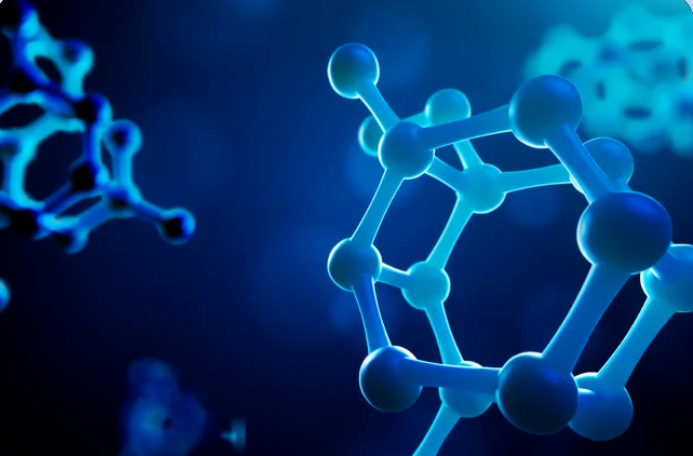
Physicochemical properties of drugs are fundamental in determining their performance and behavior within the body. what is physicochemical properties? They refer to the measurable physical and chemical characteristics of a compound (such as solubility, lipophilicity, ionization, molecular weight, and stability) that help predict how it will behave in biological systems. These properties influence everything from solubility to stability, ultimately affecting the drug’s efficacy and safety profile. When designing drugs, researchers focus on optimizing these properties to improve absorption, distribution, metabolism, and excretion (ADME). Misjudging these properties can lead to poor pharmacokinetics, reduced therapeutic effect, or increased toxicity. Consequently, understanding the core physicochemical properties and their impact on drug development allows scientists to craft better therapeutic agents. Drug developers need to optimize these properties early in the drug development process to predict drug behavior, ensuring compounds are both potent and developable. Through careful assessment and optimization of these key characteristics, researchers improve drug profiles, enhancing both their therapeutic potency and patient safety. By focusing on these properties, drug development strategies can be fine-tuned, resulting in innovative medications with the desired therapeutic outcomes.
Core Physicochemical Properties That Drive Drug Behavior
Molecular Weight and Structural Complexity
Molecular weight and structural complexity significantly influence a drug’s behavior. A high molecular weight can impair a compound’s ability to cross cell membranes, reducing absorption and bioavailability. Compounds with simpler structures often exhibit better permeability due to their ability to fit through biological barriers more easily. However, overly simplistic molecules may lack the structural complexity needed for selective binding to biological targets. Striking the right balance is crucial; ideally, a drug should have low molecular weight and optimal structural complexity to ensure effective target engagement and favorable pharmacokinetic properties. Drug developers must therefore carefully evaluate these attributes in the early stages of development to optimize the efficacy and safety profiles of potential therapeutics.
Lipophilicity and Partition Coefficient (logP/logD)
Lipophilicity, often measured by the partition coefficient (logP/logD), is a critical determinant of a drug’s ability to interact with lipid bilayers, impacting absorption and permeability. High lipophilicity facilitates passive diffusion across cell membranes, which is advantageous for bioavailability. However, excessive lipophilicity can result in poor aqueous solubility, leading to precipitation and erratic absorption. Conversely, low lipophilicity may hinder effective membrane transit, reducing bioavailability. An optimal lipophilic balance ensures enough permeability without compromising solubility. Accurate measurement of logP/logD values allows researchers to fine-tune the drug’s lipophilicity profile, enhancing its pharmacokinetic and therapeutic properties. Through strategic manipulation of these attributes, developers can maximize drug performance.
Ionization, pKa, and Charge State
Ionization, expressed through pKa and charge state, determines a drug’s solubility and permeability. Drugs with appropriate ionization characteristics are more soluble in biological fluids, aiding absorption. A balanced pKa ensures that a drug is sufficiently ionized to dissolve in aqueous environments while remaining neutral enough to permeate lipid membranes. Proper charge state is essential to optimize solubility and resistance to metabolic breakdown. Regular pH fluctuations within the body necessitate careful consideration of ionization during drug development. By predicting and optimizing pKa and charge states, researchers can enhance a drug’s therapeutic index. This optimization is crucial for maintaining adequate drug levels in systemic circulation, boosting efficacy.
Impact on ADME and Pharmacokinetics
Solubility and Dissolution in Biological Media
Solubility and dissolution significantly influence a drug’s absorption and bioavailability. Drugs must dissolve in biological fluids to be absorbed into the systemic circulation effectively. Poor solubility can result in inadequate absorption, reducing therapeutic efficacy and necessitating higher dosages. Enhancing solubility through formulation techniques or chemical modifications improves drug performance. Solubility is a primary hurdle in drug development; many potential compounds are abandoned due to solubility challenges. Developers address this by using techniques like nanoparticle formulation or modifying physicochemical properties, transforming poorly soluble drugs into viable therapeutics. Ensuring adequate solubility is essential for achieving optimal drug concentrations at the target site, maximizing efficacy.
See also: Your Health Matters: Why Joining Club Lime Is an Investment in Yourself
Permeability, Absorption, and Bioavailability
Permeability is a critical determinant of a drug’s absorption and bioavailability. A drug must efficiently cross cellular membranes to reach its site of action. High permeability ensures rapid absorption into the bloodstream, improving therapeutic onset. Low permeability, however, can limit bioavailability, requiring higher doses to achieve the desired effect. Drug developers assess a compound’s ability to permeate cell membranes early in the development process using in vitro models and computational predictions. Enhancing lipophilicity or reducing molecular size can improve permeability. By optimizing these factors, developers increase a drug’s bioavailability, leading to better therapeutic outcomes and reduced side effects.
Distribution, Clearance, and Half-Life
Distribution involves a drug’s spread within the body, impacting therapeutic effectiveness. Drugs must reach target tissues in effective concentrations while avoiding non-target tissues to minimize side effects. Clearance rate determines how quickly a drug is eliminated. High clearance may necessitate frequent dosing, while low clearance can lead to accumulation and toxicity. A drug’s half-life informs dosing intervals to maintain therapeutic levels. Properly balancing distribution, clearance, and half-life requires careful physicochemical profiling. Adjusting these parameters ensures effective concentration is maintained, minimizing fluctuations in drug levels. By optimizing these pharmacokinetic variables, researchers can develop more effective drug regimens.
Optimizing Drug Design Through Physicochemical Profiling
Balancing Potency and Developability in Lead Optimization
In lead optimization, balancing drug potency and developability is crucial. Compounds must exhibit strong target interactions without compromising physiochemical properties that affect bioavailability and safety. Early identification of potent compounds with suboptimal properties guides structural modifications to improve them. Emphasizing developability ensures selection of only viable candidates for further development. This process involves chemistry and pharmacology collaboration to create compounds meeting clinical and commercial benchmarks. By iterating structure-activity relationship (SAR) models, developers can harmonize potency and physicochemical parameters. This strategic approach enhances the likelihood of advancing successful therapeutic agents to clinical phases.
Using In Vitro and In Silico Property Assessment Tools
Combining in vitro and in silico methods accelerates physicochemical profiling in drug development. These tools allow early identification of compounds with favorable properties, streamlining the discovery process. In vitro assays provide data on solubility, permeability, and metabolic stability—critical factors influencing pharmacokinetics. Computational models predict properties like logP, pKa, and molecular interactions. This blend of physical and digital evaluation helps rapidly advance promising candidates. By integrating these tools, researchers minimize risks of late-stage failures. Effective use of in vitro and in silico techniques expands libraries of potential drug candidates, enabling swift prioritization of high-potential compounds.
Leveraging Integrated Physicochemical Services in Development
Developers increasingly utilize integrated physicochemical services to address complex drug development challenges. These services offer comprehensive analysis and optimization strategies encompassing measurement of logP/logD, solubility, ionization, and stability. Outsourcing these tasks to specialized facilities supplements in-house capabilities, providing detailed insights into compound behavior. Collaboration enhances development speeds by providing access to expertise in optimizing physicochemical profiles. These services offer holistic solutions to identify and resolve formulation issues early. By outsourcing complex physicochemical tasks, companies focus resources on core competencies, accelerating the development cycle and maximizing the chances of creating successful medications.
Conclusion
A thorough understanding of physicochemical properties is indispensable for effective drug development. These properties influence drug absorption, distribution, metabolism, and excretion, thereby affecting therapeutic efficacy and safety. Drug developers must optimize properties such as molecular weight, lipophilicity, and ionization to ensure drugs perform well in biological systems. Early and accurate assessment of these properties through in vitro and in silico methods refines candidate selection, increasing the odds of clinical success. Integrating physicochemical profiling in drug design transforms potential failures into viable therapeutics. By judiciously balancing potency and developability, and leveraging specialized services, researchers enhance their ability to develop innovative drugs with the intended therapeutic impact.