Healthcare has entered a new era where patient expectations are higher than ever. People want immediate responses, fast appointment scheduling, and reliable communication no matter the time. This is where a 24/7 AI receptionist becomes a game-changing solution for clinics, hospitals, and private practices. As healthcare systems deal with rising patient volumes and staffing challenges, the shift toward automated support is becoming essential. Many medical offices across the United States and Canada have already adopted AI-driven communication systems to handle large call volumes efficiently. This article explores how these tools work, why they matter, and how healthcare providers can implement them successfully.
What a 24/7 AI Receptionist Actually Does
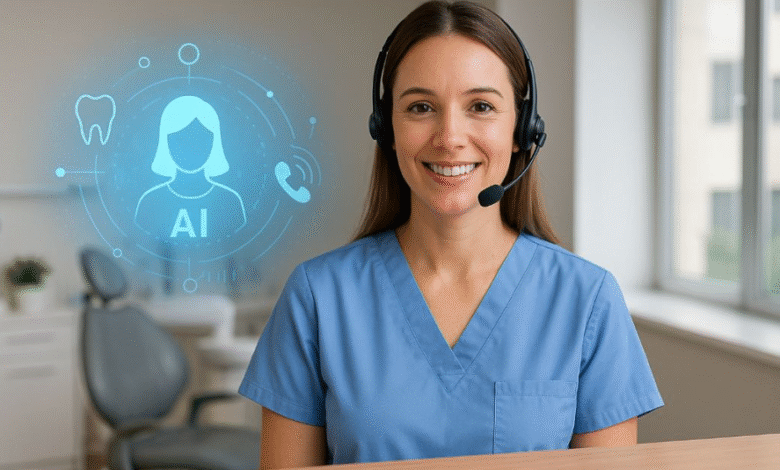
A 24/7 AI receptionist is an automated communication system designed to manage essential front-desk tasks without interruption. It works using natural language processing, patient data integration, and secure medical communication protocols. Clinics use it to answer calls, route inquiries, schedule appointments, verify basic patient information, and provide general instructions such as office hours or location details.
In recent years, major healthcare networks have incorporated AI tools to reduce wait times and improve patient satisfaction. For example, several urgent care centers in Texas and California use AI-driven call systems to manage high-demand hours where call overflow is common. These tools help ensure that every patient is acknowledged, reducing the frustration of long call queues.
A modern AI answering system for healthcare is designed to follow compliance frameworks. It can record patient requests, send automated reminders, and sync with popular EHR systems. Healthcare providers who operate after hours—such as telemedicine platforms and dental emergency clinics—are integrating these solutions to ensure no call is missed.
Unlike old IVR menu systems, today’s AI receptionists can respond conversationally, understand context, and guide the patient toward the right action. This makes communication smoother and more human-like. The result is a support system that runs efficiently in the background, reducing the load on human staff while improving patient access to care.
See also: Lion Door Knockers: A Majestic Touch for Traditional Home Entrances
Why Healthcare Providers Are Switching to AI Answering Services
The need for reliable communication has grown significantly, especially after the pandemic when patient call volumes increased across nearly all medical sectors. A 24/7 AI receptionist offers immediate availability, which prevents missed opportunities and enhances patient trust.
Key Benefits
1. Reduced Staffing Pressure
Medical offices often struggle with staffing turnover and burnout. An AI answering service for healthcare helps stabilize operations by taking over repetitive tasks like appointment scheduling, prescription refill requests, and basic FAQs. This allows the human staff to focus on critical, high-value work.
2. Faster Response Times
Delayed responses can lead to patient dissatisfaction or even lost patients. Clinics that switched to AI reception systems have reported shorter average call times and fewer abandoned calls. Many telehealth brands use AI reception tools during peak hours to maintain consistent response rates.
3. Better Compliance and Accuracy
Because these systems follow predefined rules and secure workflows, they reduce data entry mistakes. Healthcare organizations often use AI-driven intake forms and automated routing to ensure that sensitive information is handled accurately. AI systems also help maintain HIPAA-aligned communication when configured correctly.
4. Higher Patient Satisfaction
Patients appreciate fast, clear answers. A healthcare office that responds instantly creates a sense of reliability. Many reviews on medical listing platforms show that quick communication is one of the top factors patients consider when choosing a provider.
5. Cost Efficiency
Hiring, training, and maintaining front-desk staff for 24/7 availability is costly. AI tools significantly reduce operational expenses. Small clinics and private practitioners find this especially helpful because it allows them to operate competitively without expanding staff.
How Healthcare Providers Can Implement AI Reception Systems Effectively
Switching to a digital communication system requires planning. Below are practical, real-world steps that healthcare owners and managers can follow to ensure a smooth transition.
Step 1: Identify the Most Frequent Patient Requests
Start by reviewing call logs and messages from the past three to six months. Most clinics find that a majority of calls fall into a few categories such as appointment scheduling, insurance inquiries, lab results, and prescription refill requests. These are ideal tasks for automation.
Step 2: Choose a Platform That Integrates With Your Existing Systems
Look for a solution that connects directly with your scheduling software or EHR. Many healthcare facilities prefer systems that support real-time calendar syncing and secure patient data management. Ensure that the AI receptionist can handle both inbound calls and follow-up messages.
Step 3: Set Clear Rules and Custom Scripts
AI communication tools rely on structured workflows. Build custom scripts for common scenarios such as new patient registration, appointment reminders, or emergency instructions. Medical practices with multiple departments should establish routing rules that direct calls to the right extension instantly.
Step 4: Train Staff on When to Take Over
AI does not replace human staff; it enhances them. Your team should know when to step in—for example, when a patient has a complex medical question or requires urgent care. Many clinics use a hybrid approach where the AI receptionist handles initial triage and staff take over when needed.
Step 5: Monitor Performance Weekly
Track response rates, call abandonment, resolution time, and patient satisfaction. Many healthcare offices compare performance before and after implementing AI. Adjusting scripts and call flows based on real data helps improve accuracy and patient experience.
Step 6: Use After-Hours Automation
One of the biggest advantages of a 24/7 AI receptionist is uninterrupted availability. For clinics that previously relied on voicemail after business hours, implementing automated after-hours support significantly increases patient engagement. Many emergency dental practices and telehealth platforms have seen noticeable improvements in patient retention by offering instant response at night or on weekends.
Common Misconceptions and How to Avoid Them
Despite its growing popularity, there are still misunderstandings about AI in healthcare communication.
Misconception 1: It Replaces Human Receptionists Completely
AI supports routine tasks but cannot provide emotional comfort or medical judgment. The best-performing healthcare facilities use a combination of digital and human support.
Misconception 2: Patients Will Not Trust Automated Systems
Studies from multiple healthcare organizations show that patients appreciate faster responses. As long as the system communicates clearly and professionally, patient acceptance is high. The key is setting proper expectations and providing an option to speak to a human when necessary.
Misconception 3: AI Communication Is Risky for Sensitive Data
Modern AI answering systems for healthcare are built to support secure communication. The issue arises only when clinics use non-compliant tools. Using a platform that aligns with medical privacy requirements avoids this problem.
Misconception 4: It Is Too Complicated to Set Up
Healthcare offices often overestimate the complexity. Most AI receptionist systems can be deployed within days. The main work involves customizing scripts and training staff on new workflows.
Misconception 5: It Works the Same for All Medical Specialties
A pediatric clinic, dental office, and mental health practice all have different communication needs. Customizing the AI workflow for each specialty ensures accuracy and patient satisfaction.
Conclusion
The rise of the 24/7 AI receptionist marks a major shift in how healthcare providers manage communication and patient engagement. As patient demand grows and staffing pressures increase, AI-driven systems offer a reliable way to improve accessibility, reduce workload, and enhance overall service quality. Whether you manage a small private clinic or a multi-location healthcare network, adopting automated answering solutions can streamline operations and elevate patient experience. Healthcare providers that embrace this technology now will be better prepared for the future of medical communication.