Home offices depend on tools that keep workflows smooth, organized, and interruption-free. As people use more devices throughout the day—phones, notebooks, tablets, earbuds, and accessories—they rely on a steady power source that can support everything at once. A multi-port charger becomes more than a simple plug-in tool. It shapes how clean the workspace feels, how quickly devices recover power, and how reliably someone can shift between tasks. Instead of juggling several adapters or switching cables, users want a straightforward charging solution that blends into their desk and keeps every device ready. A compact, high-speed multi-port charger often becomes one of the quiet essentials of a productive home office.
Why Multi-Port Chargers Fit Naturally Into Home Office Workflows
They Support Multiple Devices Without Interrupting Work
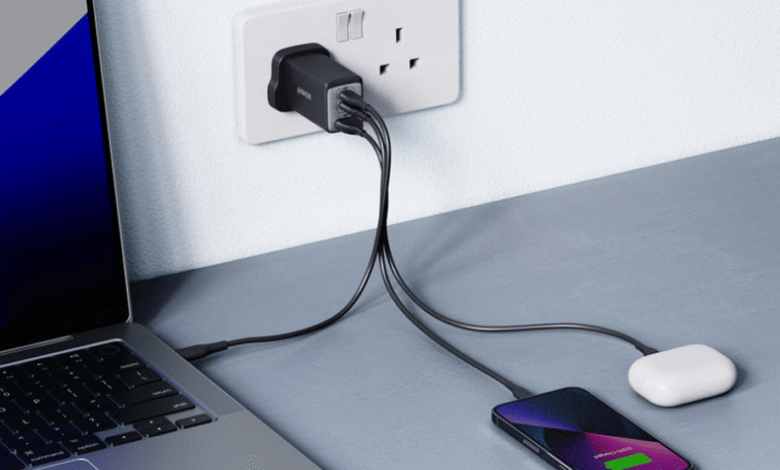
Working from home often means using several devices throughout the day. A notebook handles work documents, a phone manages messages, and a tablet helps with reading or video calls. When each device depends on its own charger, outlets fill up fast and cables get messy. A multi-port charger solves this by powering several devices at once from a single outlet. When users choose a charger with strong output, they can keep all essential tools ready without unplugging or repositioning anything. A compact option like the Anker 735 Charger supports up to three devices at once and delivers enough power to handle notebooks and smaller devices simultaneously. This helps people maintain focus without rearranging their setup mid-task.
They Improve Desk Organization and Reduce Clutter
A home office feels more productive when the desk stays clean. Too many chargers create tangled cables and take up outlets needed for lamps, monitors, or speakers. A single multi-port charger replaces several bulky adapters and clears space around power strips. This small shift changes how the workspace looks and functions. People gain room to write, set up documents, or place tools they use more often. The Anker 735 Charger is roughly the size of an AirPods Pro case, which means it takes up minimal desk space. Its compact footprint allows users to build a tidy charging corner that blends seamlessly into their home office aesthetic. When the environment feels organized, work tends to feel smoother as well.
They Support Reliable Short Charging Sessions Throughout the Day
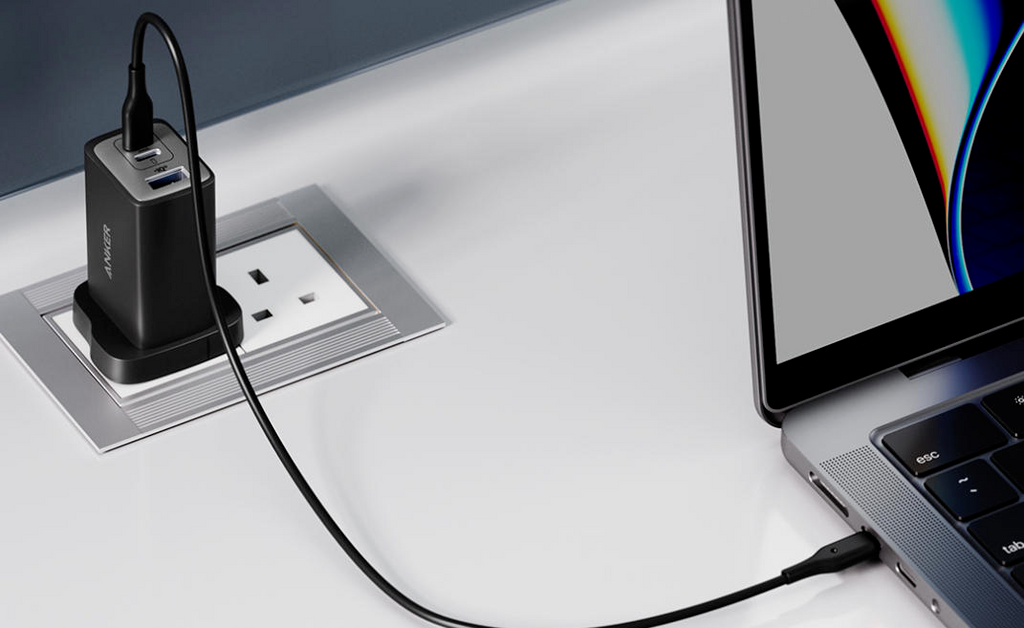
Home office work often involves quick breaks rather than long pauses. People take brief moments between calls or tasks to top up their devices. A charger that offers high-speed output makes these short sessions meaningful. Instead of waiting for hours, users get enough power to continue working confidently. With fast chargers, people often plug in their devices for just a few minutes between meetings. The Anker 735 Charger delivers strong notebook-level charging from a single USB-C port, which makes these intervals more productive. Users regain power without sacrificing momentum, and their devices stay ready for longer work blocks.
See also: Starting a Tech Company With Zero Coding Knowledge in 2025
How Multi-Port Chargers Enhance Efficiency, Flexibility, and Daily Flow
They Allow Users to Treat the Desk as a Central Power Station
A multi-port charger turns the home office into a central charging hub. Instead of scattering chargers around the house, users can keep everything powered in one place. Phones recharge next to notebooks. Tablets sit beside wireless accessories. This creates predictable battery rhythms. Devices stay near the tools people rely on for work, and everything charges together. When the Anker 735 Charger powers several devices at once, it simplifies daily routines. People plug in once and return to a fully charged setup without managing multiple outlets or remembering which cable belongs to which device. This consistency supports better planning and reduces small points of friction throughout the day.
They Provide the Flexibility to Charge Older and Newer Devices
A practical multi-port charger includes a mix of port types so users can support both modern USB-C devices and older USB-A accessories. This flexibility matters in a home office, where different tools often serve different functions. Someone may use a current USB-C notebook for work but still rely on older accessories, such as a wireless keyboard or headset, that charge through USB-A. A charger like the Anker 735 includes both port types, allowing users to keep all their devices supported without switching adapters. This flexibility encourages users to keep their workspace streamlined, even as they upgrade their equipment over time.
They Encourage Smarter Charging Habits During Work Hours
Having a multi-port charger in a central location encourages consistent battery management. Instead of letting devices drain to low levels, users naturally plug them in during small pauses. This habit prevents unexpected shutdowns during calls or work sessions. High-speed charging tools reinforce this behavior by making quick top-ups more effective. The Anker 735 Charger, powered by GaN II technology, delivers strong performance from a compact body, which makes it convenient to keep on any desk. With reliable power always available, users form habits that keep their devices ready without stress. A single charging station supports smoother transitions between tasks and keeps work from being interrupted by low battery alerts.
Conclusion
A multi-port charger becomes practical in a home office when it supports efficiency, organization, and daily comfort. The right device handles multiple tools at once, reduces cable clutter, and fits neatly into a limited space. Strong output allows users to top up notebooks, phones, and tablets without shifting plugs or waiting long periods. A dependable charging station strengthens routines, prevents interruptions, and keeps the workspace clean and ready for focused work. For anyone building a productive home setup, choosing a reliable multi charger solution is a simple upgrade that supports every part of the workday.