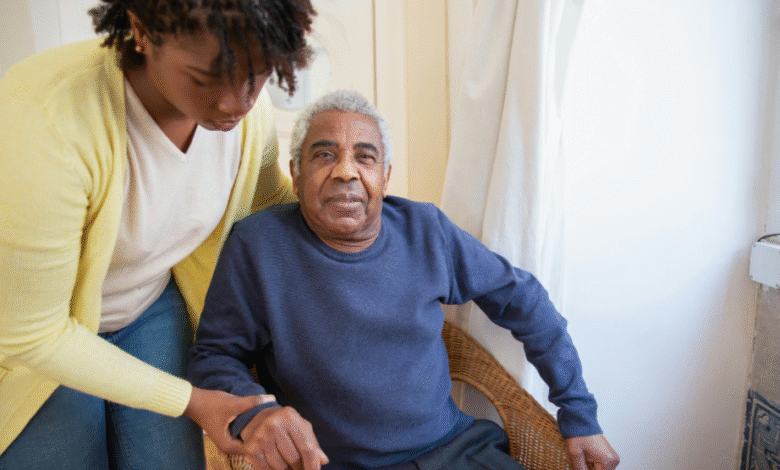
For healthy aging, seniors need to maintain social connections and remain active within their communities.
According to an AARP survey, 75 percent of Americans age 50 and older wish to remain in their current home. Furthermore, a significant majority, 73 percent, wish to remain within their current community indefinitely. Adults aged 65 or older, and individuals in small towns or rural areas, express an even greater desire to remain in their current location.
Home care services fulfill a vital function in honoring these choices, providing tailored support that enables older adults to preserve their autonomy. They also provide companionship, enabling older adults to stay engaged and socially connected within their communities.
From transportation to wellness check-ins, home care helps older adults stay engaged in community life while supporting their mental and physical health.
This article explores how these services enhance seniors’ community connections.
Transportation and Mobility Support
Limited transportation is a major barrier preventing seniors from staying connected to their communities, especially after they stop driving or face health issues. Senior care services actively bridge this gap.
Home care providers offer reliable, senior-friendly transportation to key community functions like social events, religious services, and community gatherings. As AmeriBest Home Care notes, specialized agencies make getting around easier and safer. Caregivers ensure safe and timely arrival, and they can accompany the senior inside to provide necessary physical assistance.
This support transforms seemingly insurmountable obstacles into manageable, meaningful outings. By enabling outings such as attending a grandson’s baseball games or visiting the market, home care helps seniors stay engaged in their community.
Facilitates Social Activities and Hobbies
The WHO states that social connection is critical for older adults, serving to minimize risk factors like loneliness and isolation. Engaging in meaningful social connections significantly improves positive mental health, life satisfaction, and quality of life, while also reducing depressive symptoms.
Home care services recognize this crucial need by actively facilitating participation in hobbies, classes, and social activities aligned with each senior’s interests. Professional caregivers accompany clients to art classes, weekly card games, gardening clubs, or volunteering programs.
They help seniors discover new interests and reconnect with abandoned hobbies through befriending initiatives, community support groups, and leisure services.
Caregivers can also research suitable local activities, coordinate schedules, and provide the physical and emotional support needed for full participation. This engagement preserves seniors’ sense of identity, purpose, and connection to their broader community.
Helps Maintain Relationships with Family and Friends
Home caregivers are essential for helping seniors sustain vital relationships, bridging the gap created by physical limitations and digital struggles. They facilitate connections by coordinating visits, preparing the home for guests, and assisting with video calls or phone chats when family lives far away.
Caregivers also work to preserve long-standing friendships, arranging regular visits or outings. According to the BBC, while close ties are vital, researchers stress the importance of remaining open to new friendships. They note that reducing one’s social network too much isn’t necessarily healthy.
Different relationships fulfill different roles. While closest ties offer emotional support, broader ties are just as important for overall mental and physical health across the lifespan. By supporting both close and broader connections, home care ensures the relationships that have sustained seniors continue to flourish.
Support Community Integration and Local Engagement
Home care professionals facilitate community connection by supporting everyday integration into familiar neighborhoods. Caregivers accompany seniors on walks, visits to local shops, and neighborhood events, maintaining the senior’s visibility and presence. These regular outings allow seniors to interact with familiar faces and feel like active participants in their community’s daily rhythm.
This connection proves essential for holistic health. Studies demonstrate that the depth and breadth of social relationships profoundly influence both psychological and physical wellness. Notably, a study by UCLA and USC concluded that supportive relationships with family and friends may actively slow the aging process.
By facilitating these essential social ties and local engagement, home care ensures seniors remain recognized and valued members of their community.
Helps in Combating Loneliness and Isolation
Senior social isolation carries serious health consequences, including a higher likelihood of depression, cognitive decline, and premature mortality. According to JAMA Network, in 2023, about 37% of older US adults reported loneliness, and 34% reported being socially isolated. Loneliness is exacerbated by factors like the loss of a partner, decreased mobility, and chronic illness.
Home care services directly combat this by providing consistent human interaction and facilitating social network expansion. Caregivers serve as connection facilitators, identifying engagement opportunities and gently encouraging participation. They are trained to recognize signs of loneliness and adapt their approach, understanding that staying connected means feeling seen and valued.
Through genuine care, professionals help seniors overcome isolation barriers, rebuilding the social connections essential for overall health and well-being.
Frequently Asked Questions
What is the main purpose of home-based care?
The primary purpose of this service is to support seniors’ independence, health, and well-being in familiar surroundings. It provides personalized assistance with daily activities and medical needs, as well as support for social engagement. This helps prevent isolation, maintain safety, and enhance the quality of life while allowing older adults to remain in their own homes.
Can home care providers accommodate varying levels of social engagement preferences?
Absolutely. Professional caregivers work with each senior and their family to understand individual preferences, energy levels, and comfort zones. They develop personalized plans that respect introverts’ needs while still preventing isolation. Additionally, they encourage gradual engagement for those rebuilding social confidence after health setbacks.
Are home care services affordable for families on limited budgets?
Home care services can be costly, but options exist for families on limited budgets. Financial assistance may come from Medicaid, veterans’ benefits, long-term care insurance, or sliding-scale programs offered by agencies. Care plans can also be customized to balance affordability with essential support, ensuring seniors receive necessary care.
Professional home care services play a vital role in enhancing seniors’ overall well-being, promoting autonomy, and combating loneliness. With tailored support, caregivers empower older adults to preserve meaningful relationships with loved ones and remain actively engaged in their communities. Choosing home-based care safeguards both quality of life and respect during the aging journey.